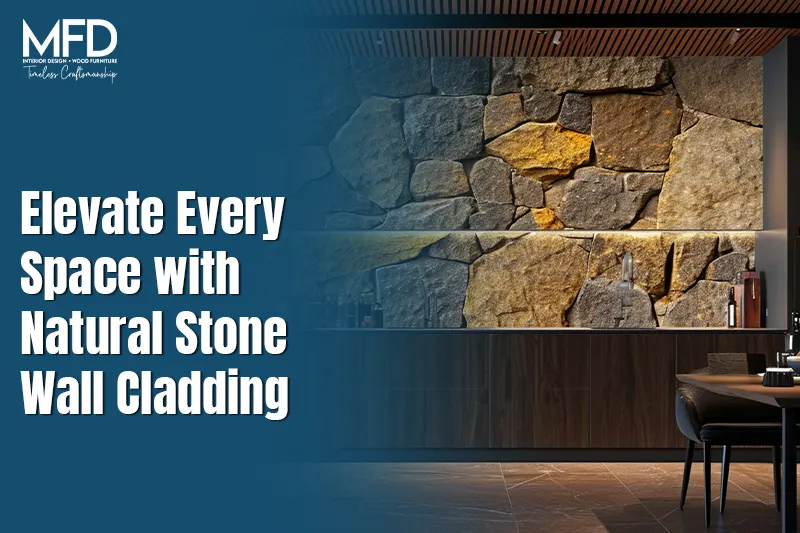
Plain walls can make a well-planned room feel almost unfinished. Stone wall cladding gives that surface depth, texture, and stronger daily use. It can suit homes, offices, hotels, shops, and outdoor fronts. This matters in rooms that carry first impressions. The right stone also helps protect walls from wear marks.
Stone wall cladding works best when the project goal comes first. Some rooms need a warm texture. Some front walls need tough exterior stone panels. This guide covers stone types install steps, and interior ideas. It also explains exterior needs, care cost value, and common errors. You will know what to check before paying for any stone work without guesswork.
Timeless stone finishes that never lose appeal

Stone wall cladding means stone layers fixed to a wall for style and strength. Natural stone cladding adds real texture that paint and thin décor cannot match. It works for feature walls, shop fronts, offices, garden walls, and house facades.
Premium stone cladding also helps when a surface needs a richer look. It brings a shadow pattern and natural change into the space. No two stones look fully the same. That small flaw in nature is often the charm people pay for.
Matching stone choices with project goals first
The best stone depends on the wall’s use before the style. Decorative stone walls need the right match of weight, texture, color, and care needs. Stone wall panels for a lounge may fail outside. Rain, dust, and heat can change the choice fast.
Custom stone cladding gives more control over size, cut pattern, and finish. Smooth stone suits clean modern rooms. Rough stone suits rustic areas and outdoor faces. The smart choice starts with wear level, light level, moisture risk, and design aim.
| Stone choice | Best use | Main care point |
| Slate | Modern walls and fire areas | Seal when needed |
| Limestone | Warm indoor feature walls | Avoid harsh cleaners |
| Sandstone | Garden walls and facades | Watch moisture marks |
| Granite | High wear spaces | Needs firm fixing |
| Marble | Luxury indoor walls | Can stain without care |
| Stone veneer | Light wall upgrades | Needs solid backing |
Building lasting results through proper installation
A strong finish starts with the wall behind the stone. Stone panel installation services should check the base before fixing begins. Stone veneer panels also need correct support. Exterior stone wall installation needs even more care due to weather movement and moisture.
Phase 1: Prepare stable wall surfaces
The wall must be clean, dry, firm, and level enough for fixing. Loose plaster, weak brick, and damp patches can ruin the result. A pro checks cracks, stains, hollow spots, and water paths. These signs should be handled before any stone reaches the wall.
Phase 2: Position stone panels correctly
The stone layout should be planned before the panels are fixed. Installers check pattern flow, joint size, edge cuts, and corner lines. A dry layout helps avoid tiny end cuts. Those cuts can make a costly wall look like guesswork done after lunch.
Phase 3: finish joints for max protection
Joints need neat filling and proper sealing, where the stone type needs it. Good finishing limits water entry, dust traps, and weak gaps. Outdoor joints need special care. Rain, sun, and heat keep testing the wall every season. Neat joints also make the wall look complete.
Interior spaces gain character through natural stone
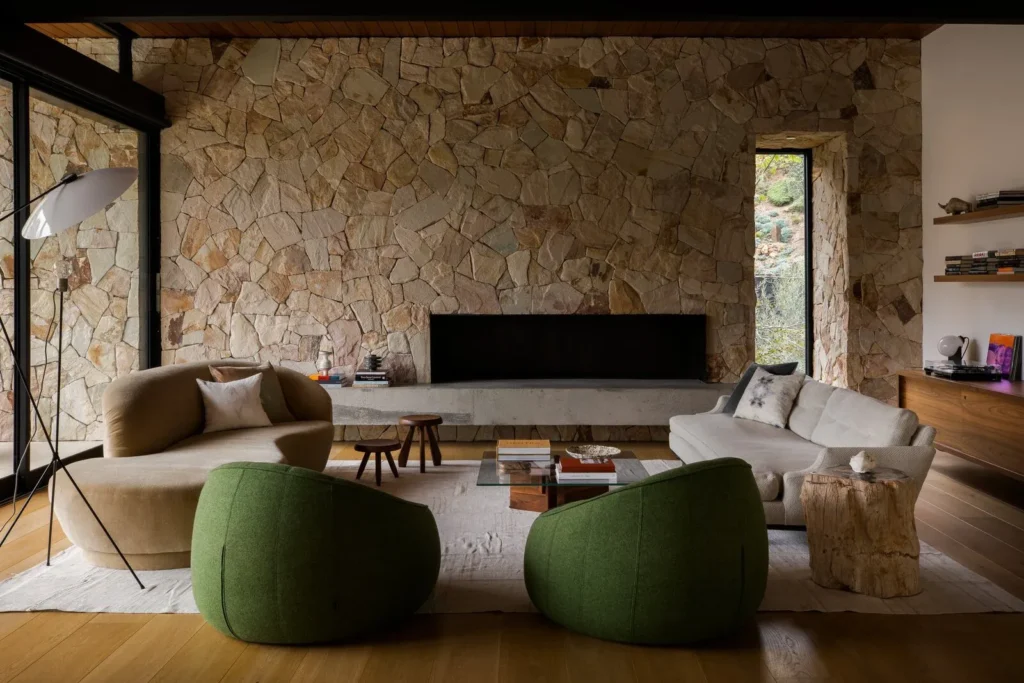
Interior stone designs work best where people pause and look. Living rooms, reception walls, dining areas, and office lobbies can all use stone. Interior stone wall panels add depth without changing the full room layout. They also work well with modern loose furniture to create a balanced interior.
Luxury stone wall finishes can also support a calm and rich mood. The trick is balance. Too much stone can feel heavy. A single feature wall with good lighting often works well. Covering every wall can feel like living inside a quarry.
Exterior surfaces built to resist every season
Exterior stone panels face sun, rain, dust, heat, and daily stains. Stone facade systems need more than good looks. Premium stone facade solutions depend on correct fixing, water control, and movement planning. Outdoor stone must work as a full wall system.
Weather exposure concerns
Weather changes how stone performs across each season. Some stones handle heat and rain better than others. Outer walls need stone that suits the local climate. A shaded patio wall has different needs than a full sun front face. Local dust levels also matter.
Moisture protection methods
Water should not sit behind the stone at any time. Installers plan drainage gaps, sealants, flashing, and joint lines where needed. This protects the wall base. It also reduces marks that can creep across the stone over time. Dry backing helps panels stay firm.
Expansion and movement planning
Walls move a little with heat, cold, and building stress. Stone systems need room for that movement. Poor planning can lead to cracks, loose panels, or open joints. Smart building systems can also help monitor building performance over time. That problem rarely improves by staring at it. Smart gaps help reduce future strain.
Strength that continues long after installation
Natural stone wall cladding can last well when stone fixing and care fit the setting. The base wall matters too. Strong panels cannot save a weak surface. Proper prep helps reduce cracks, loose spots, and early repair needs. Good fixing keeps loads more stable.
Stone wall cladding also resists daily wear better than many soft finishes. Premium stone cladding suits high-contact areas when the right stone is used. It still needs fair care. No finish enjoys sharp hits, water leaks, or poor cleaning.
These gains matter most when walls face daily touch weather or public view. The right stone can add depth and protect the surface. It can reduce repaint work in select areas. It also helps make feature walls feel planned instead of added late.
- Stronger visual depth
- Better surface wear
- Long life with care
- Rich natural texture
- Better front appeal
- Useful feature wall focus
- Wider design choice
- Less repaint need
Smart maintenance protects every stone finish
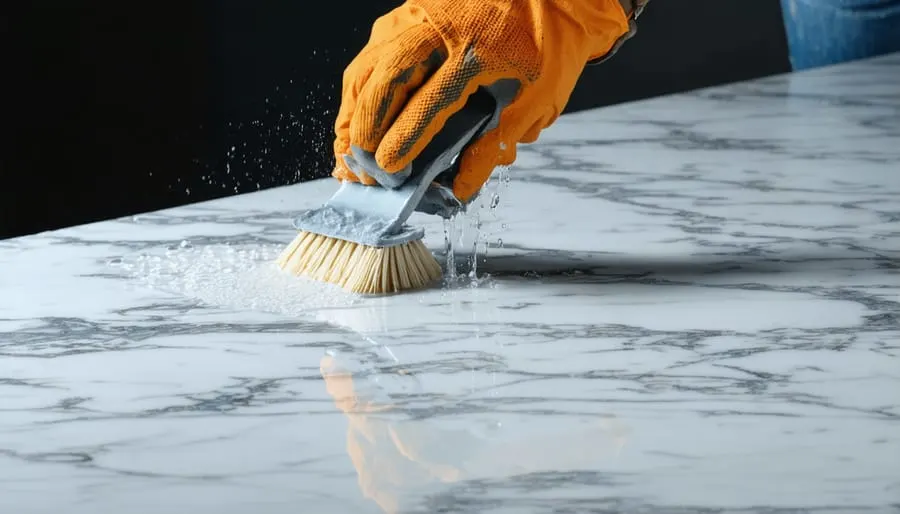
Decorative stone cladding solutions need simple, steady care. Dust the surface often. Use a mild cleaner when the stone allows it. Avoid harsh acids on stone wall panels. Some finishes can stain, etch, or lose their natural finish after rough cleaning.
Stone veneer panels may need sealing based on the stone type and room use. Wet zones and outdoor faces often need closer checks. Small chips can sometimes be repaired early. Waiting too long can turn a small mark into a bigger job.
Design styles that define modern architecture
Modern stone wall designs work because stone can look bold or calm. Modern stone walls often use clean lines, soft tones, and larger panels. Decorative stone walls can also use a rough texture. That choice helps when the room needs warmth and character.
Contemporary minimal concepts
Clean stone walls often use large pieces and soft shades. The aim is a simple form with rich surface detail. This style suits offices, hotels, entry areas, and homes that need a calm design. It works best with neat trims and soft light.
Rustic natural stone themes
Rustic stone uses rough faces, warm shades, and visible texture. It works well in farm-style homes, cafés, garden walls, and fireplace areas. The goal is comfort rather than perfect straight lines. A few uneven edges can even help the look.
Luxury statement wall designs
A luxury stone wall needs restraint and clean detail. Strong stone lighting and neat trims can speak for themselves. Too many patterns can fight each other. The wall should feel planned rather than loud for sport or for online applause. Calm design often ages better.
Investment decisions beyond material pricing alone
Commercial stone cladding services price projects by more than the stone cost. Labor surface prep access height cutting waste and trim all affect the final bill. Sealing and finish detail can also change the cost. A clear scope should come before work starts. It should also consider nearby interior flooring work to avoid unnecessary repairs after installation.
Premium stone cladding can cost more than paint or simple panels. The value comes from longer wear, stronger visual appeal, and less frequent surface change. A low quote can become costly when prep sealing or proper fixing is skipped. Cheap work often shows at the edges.
Property value grows with premium stone features
Stone features can improve how a property feels to buyers, guests, and clients. Premium stone facade solutions create a strong first view. Luxury stone wall finishes can also make key rooms feel more complete. Good design supports better use and stronger appeal.
Visual appeal that attracts buyers
A good stone wall can make a room or facade more memorable. Buyers often notice texture, light, and finish first. This does not guarantee value. It can still support a stronger first view when the work looks neat. That first view can shape interest.
Long-term performance benefits
Stone facade systems can handle daily wear when planned well. Good fixing and care help the surface stay stable. That matters in halls, front walls, offices, and busy guest spaces. Long use starts with sound prep and fit. Regular checks help catch early faults.
Lower future maintenance costs
Stone can reduce repaint cycles in some areas. It still needs cleaning, sealing checks, and small repairs. The saving depends on the stone type, use level, and install quality. The goal is lower fuss rather than zero upkeep. This is where good material choice matters.
Common mistakes to avoid before choosing stone
Many owners choose stone from a photo alone. That is risky. A sample shows true color, texture, weight, and shine. Light changes stone fast. The showroom wall is not your wall, and it never paid your bill. Real samples stop many bad choices.
Another mistake is ignoring the base wall. Stone needs a stable surface and correct fixing. Some owners also forget corners, drains, outlets, trims, and access height. Plan these points early. It keeps the final wall from looking patched later. Good layout saves visible errors.
These errors are common because stone feels simple from far away. Once work starts, each small choice shows. Sample wall checks and clear layout plans make the project smoother. They also help protect the budget from odd surprises. Stone rewards patient planning.
- Picking stone by photo only
- Skipping real samples
- Ignoring wall damp marks
- Forgetting wall weight limits
- Choosing indoor stone outside
- Missing joint and edge plans
- Hiring only by low price
Who should use stone cladding?
Homeowners can use stone for living rooms, dining spaces, TV walls, patios, garden faces, and entry areas. It suits people who want texture without a full rebuild. Stone also works when the paint feels too flat for the room. It can help one wall carry the room. Stone features can also connect naturally with outdoor wooden structures for a more unified property design.
Business owners can use stone in offices, hotels, stores, clinics, and reception spaces. Project owners should think about traffic, lighting, and brand feel. Stone suits places where first impressions matter, and walls face daily contact. It also suits spaces that need a clear focal point.
Expert Tips From Real Stone Projects
Check Wall Strength First
Check wall strength before selecting stone. Weak plaster or damp spots can make panels loosen, and repairs cost more later.
Test Samples In Real Light
Test samples inside the actual room. Stone color can shift under warm light, bright light, or shade during the day.
Plan Edges Before Cutting
Plan joints, edges, and corners early. Small cuts near doors or outlets can make a premium wall look poorly planned. Wood flooring steps should also be planned before cutting so wall and floor finishes align properly.
Ask About Sealing Needs
Ask about sealing before installation starts. Some stones need protection from stains, while others need breathable finishes for moisture control.
Keep Spare Stone Pieces
Keep spare pieces from the same batch. Future repairs look cleaner when the color, texture, and thickness still match the wall. This is also helpful when future layouts include custom loose furniture and small wall changes become necessary.
Conclusion
This guide showed how stone finishes support stronger walls, better design, and longer use. It covered stone choice, install stages, and indoor ideas. It also covered outdoor needs, upkeep, budget value, and common mistakes. These points matter because stone affects more than style. It also affects wall care, comfort, first impressions, and repair risk. Mandeep Furniture provides professional stone finish solutions that enhance durability, elevate interior and exterior spaces, and deliver lasting value through quality craftsmanship.
Stone wall cladding works best when planning and skill come before fixing. A good selection should match the wall strength, weather risk, cleaning needs, and design style. Future projects should start with sample wall checks and a clear scope. Ask about prep joints, sealing, and care. Then choose trained help for a clean lasting result that supports later repairs.
Common Questions Before Choosing Stone Cladding
Selecting stone cladding means looking beyond surface style. Material strength install quality, upkeep, and wall condition all shape the result. These short answers cover common questions from owners. They help before choosing stone for homes, offices, shops, or exterior walls. Use them as a simple planning check.
Granite, slate, and sealed stone veneer work well in busy rooms. Choose hard surfaces with low stain risk and simple cleaning for steady daily use.
Yes, stone wall cladding can cover brick when the base is firm and dry. A pro should check the weight, bond, and moisture first before work.
Stone type weather exposure wall prep fixing method sealing and care affect lifespan. Poor moisture control can shorten service life very fast in wet sites.
Sealing can protect some stones from stains and moisture. It must match the stone type. Not every finish needs the same sealer or schedule later.
Smooth honed split face and large format panels often suit modern spaces. Keep lines clean and use calm tones for better balance with simple lighting.