
A room can change how a person feels in seconds. That shift often starts with design. In therapy spaces, the setup matters more than most think. The right furniture for mental health shapes comfort and trust. Now let’s see how this works. Soft chairs and warm tones help people relax and stay present during sessions.
You might notice how layout and texture guide behavior and mood. Simple choices can support calm thinking and better talks. Many clinics now focus on calming furniture designs to build safe spaces. These setups help people feel heard and settled. Over time, this improves session flow and supports stronger therapy results.
Understanding Patient Needs in Mental Health Spaces
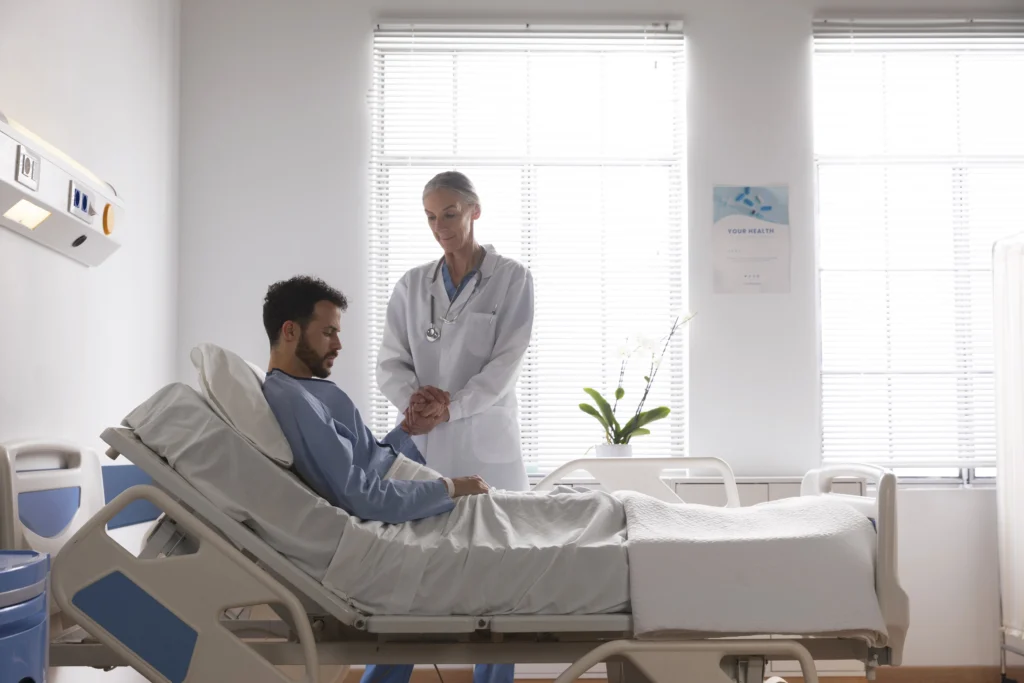
Every person brings different needs into a therapy room. Some need soft seating for body ease. Others need quiet space to think and speak. Good patient comfort furniture supports both body and mind with smart office decor ideas. It helps reduce stress and allows people to feel more at home during each session.
Design choices also shape how safe a space feels. Seating height and spacing can affect trust and focus. Many clinics use therapeutic furniture for clinics to support better care. Soft textures and simple layouts help people stay calm. This leads to better talks and steady progress over time.
Key Features of Effective Mental Health Furniture
Good furniture supports both comfort and function in therapy spaces. It helps reduce stress and keeps people relaxed during long sessions. Many clinics choose ergonomic furniture for therapy spaces for better support.
Key Features:
- Proper back support that keeps posture stable and relaxed.
- Soft edges and a strong build for safe daily use.
- Easy-to-clean surfaces for busy clinic settings.
- Calm colors that support quiet and focused spaces.
- Flexible seating for both private and group sessions.
- Durable frames that handle frequent use over time.
- Balanced layout fit for mental health waiting room furniture needs.
Popular Furniture Designs for Mental Health Clinics
Mental health clinics use simple yet thoughtful furniture styles today. Lounge chairs give soft support and help people feel at ease. Modular seating allows easy room changes for group or solo use, offering flexible seating options. Tables stay light and easy to move. Many spaces now use calming furniture designs to create a quiet and warm setting for sessions.
Each piece must balance use and visual feel in the room. Clinics choose therapeutic furniture for clinics that supports comfort and daily use. Texture and color also guide mood and focus. A good layout helps smooth movement and clear space flow. Over time, the right furniture for mental health builds trust and steady session progress.
Steps to Select and Arrange Furniture for Mental Health Spaces
Choosing the right setup takes clear planning and simple decisions. The right layout improves comfort and supports better session flow. This guide shows how to choose furniture for mental health spaces step by step.
Step 1:
Review room size and map clear walk paths for easy flow. Measure space and note entry points. This helps plan safe and smooth movement for all users.
Step 2:
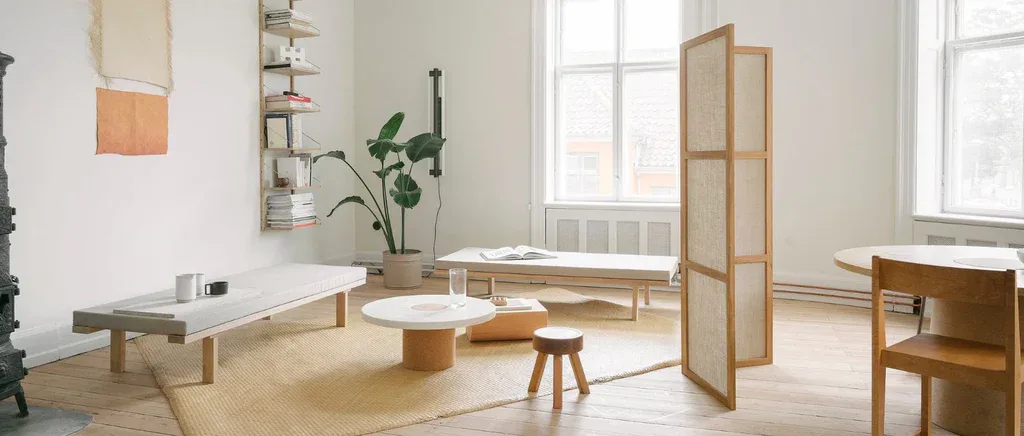
Pick seating types based on use needs and room purpose. Include chairs, sofas, and stools. Balance therapy seating with mental health waiting room furniture for better use.
Step 3:
Select strong materials that feel soft and last long. Choose easy clean surfaces and warm textures. This keeps the space fresh and supports the daily clinic use needs.
Step 4:
Place items to support calm and private talks. Keep space between seats and allow access for all users. Good layout improves comfort and focus during sessions.
Step 5:
Test the setup with real use and small changes. Move items and adjust spacing as needed. This helps refine furniture for mental health layouts for a better patient experience.
Tips for Maintaining Furniture in Therapy and Mental Health Areas
Clean and care keep spaces fresh and ready for daily use. Regular checks help extend life and keep furniture in good shape. Well-kept furniture for mental health supports comfort and smooth sessions.
Tips:
- Clean surfaces daily using mild cleaners to keep items fresh
- Check joints and legs often to avoid loose or weak parts
- Use covers where needed to protect patient comfort furniture
- Pick easy, clean fabrics for therapeutic furniture for clinic use
- Rotate seating to spread wear and extend product life
- Fix small issues early before they turn into bigger problems
- Keep the layout clear to reduce strain on furniture over time
Styling Mental Health Spaces with Healing Furniture
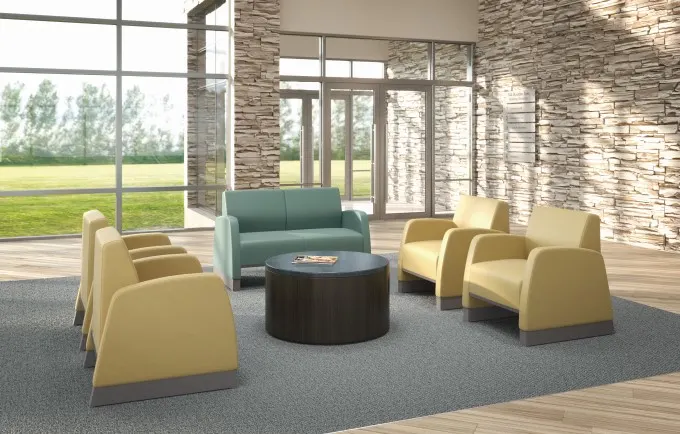
Color and texture shape how a space feels at first glance. Soft tones and smooth fabrics help people feel calm. Layout also plays a key role in guiding movement and focus. Many clinics use calming furniture designs to support quiet and steady sessions that feel safe and easy.
Placement choices affect how people sit and interact during therapy. Clear space between seats builds comfort and trust. Using ergonomic furniture for therapy spaces supports long sessions without strain. Good balance in layout and design helps each piece of furniture in a mental health setup feel open, calm, and ready for care.
Common Mistakes to Avoid in Mental Health Furniture Selection
- Overcrowding rooms with too many items that block easy movement
- Using hard seating that reduces comfort during longer sessions
- Ignoring layout flow in mental health waiting room furniture setups
- Choosing styles that clash and disturb the calm room feel
- Skipping user needs when selecting furniture for mental health
- Poor spacing that limits privacy and open communication
- Weak materials that wear out fast under daily use
- Lack of Mandeep Furniture to support different therapy needs
FAQs
Look for soft seating, strong build, and easy clean surfaces. Good therapeutic furniture for clinics supports comfort, calm use, and long-term daily performance in busy settings.
Well-planned calming furniture designs help reduce stress and support focus. The right furniture for mental health creates a warm space where people feel relaxed and ready to share.
Yes, they support posture and reduce strain during long sessions. Using ergonomic furniture for therapy spaces helps both patients and staff stay comfortable and focused throughout therapy time.
Keep the layout open with clear paths and spaced seating. Good mental health waiting room furniture setup supports privacy, easy movement, and calm waiting areas for all visitors.
Soft chairs, lounge seating, and simple tables work best. Good patient comfort furniture in furniture for mental health spaces helps people feel relaxed, supported, and ready for therapy sessions.