
Purchasing the appropriate hospital furniture can transform the feelings and the healing process of patients. You may come across chairs, beds or tables that can be moved easily and some that are either stiff or unsafe. Stable and comfortable furniture assists patients in moving around and being assured of the care they are getting. When the furniture is custom-made to suit the medical staff, they work better as well.
Now let’s see why hospital furniture quality matters so much. Durable and ergonomic hospital furniture reduces strain and prevents injuries. When you pick furniture carefully, patients recover faster, and the space feels safe. Understanding how to choose hospital furniture guides healthcare teams to create a healing and secure environment for everyone.
Why Hospital Furniture Matters
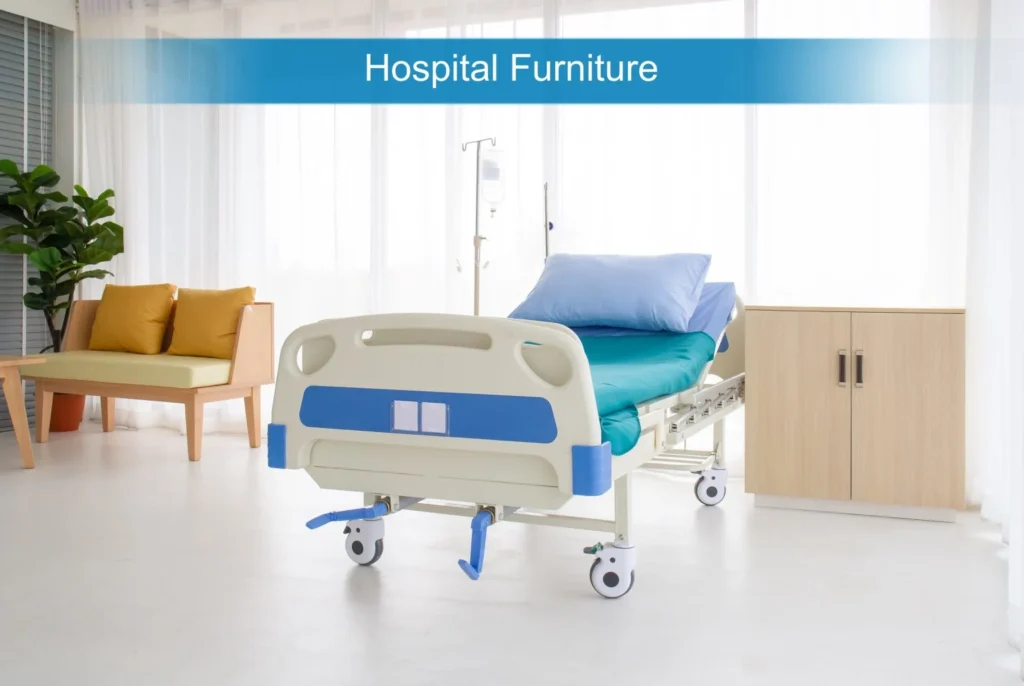
Hospital furniture affects how patients feel every day. When beds, chairs, and tables are comfortable, patients can rest and move better. Staff also work faster when the furniture is easy to use. You might notice that the right setup makes the hospital feel calm and safe. This is why learning how to choose hospital furniture is important for any facility.
Comfort, durability, safety, and ergonomics are key factors to check. Hospital furniture quality ensures patients can heal without strain. Choosing the best hospital furniture for patients helps them recover faster and feel cared for. Good furniture also keeps staff healthy and the hospital running smoothly.
The Role of Ergonomics in Patient Recovery
Ergonomic hospital furniture is designed to fit the body and support movement. Adjustable hospital furniture Beds, chairs, and tables with proper angles help patients sit, lie, and move without strain. You might notice that good design reduces pressure points and lowers the risk of bedsores.
Proper ergonomics also aids long-term patients and improves staff efficiency. Learning the best ways to choose hospital furniture ensures it supports healing and comfort. Choosing hospital furniture for recovery helps patients regain strength faster, while staff can work safely and easily. Well-designed furniture makes the hospital safer and more caring for everyone.
Comfort Considerations for Different Patient Needs
Patients require various types of furniture such as beds and chairs, recliners and wheelchairs. It is important to have features like adjustable positions, cushioning that is soft and lumbar support.Patient comfort furniture You may find that furniture that fits the patient can be moved easier and make him/her feel relaxed.
Learning the best ways to choose hospital furniture helps match the right type to each patient. Medical furniture selection with proper ergonomics improves healing and reduces stress. Picking the best hospital furniture for patients ensures comfort, supports mental health, and speeds recovery. Well-chosen furniture helps both patients and staff feel confident in the care space.

5. Safety Standards and Compliance
The most important aspect when choosing hospital furniture is safety. Test certifications and standards that indicate that the furniture complies with regulations.Hospital safety standards Find fire resistance, high weight carrying capacity, and anti-tip designs. You may observe that the furniture that fulfills these regulations protects patients and staff.
Knowing how to choose hospital furniture means thinking about safety and cleanliness. Hospital furniture quality and careful medical furniture selection reduce accidents. Choosing items with proper hospital furniture durability and safety also helps control infection. Safe furniture protects patients, supports staff, and keeps the hospital running smoothly.
Materials and Finishes That Matter
Hospital furniture can take a variety of materials, including stainless steel, high-density foam, ABS plastics, and antimicrobial fabrics. All of them have advantages and disadvantages: Steel is hard, foam is soft, fabrics can be comfortable and require frequent washing. It may also occur to you that the correct option is one that is comfortable, hygienic, and durable.
Knowing how to choose hospital furniture helps pick the right material for each need. The choice of medical furniture that is used should guarantee the safety of staff working and the ease of movement of patients. In patient rooms, the issue of hospital furniture is the most important as comfort and support are beneficial during recovery. Well-designed furniture enhances safety, effectiveness, and the general experience of the patients.
Furniture for Different Hospital Areas
Each hospital area needs different furniture. Emergency rooms, ICUs, patient rooms, waiting areas, and outpatient departments all have special needs. You might notice that patient rooms focus on comfort, while ERs need fast and easy-to-clean designs.
Knowing how to choose hospital furniture helps match the right type to each area. Medical furniture selection ensures staff can work safely and patients can move easily. Choosing hospital furniture for recovery matters most in patient rooms, where comfort and support help healing. Well-planned furniture improves safety, efficiency, and overall patient experience.
Budgeting Without Compromising Quality
Budget limits are real in every hospital. Still, cost should not lower safety or comfort. You might notice that cheap items often need repair fast. Smart planning helps balance price and value. This is why it is vital to understand how to choose hospital furniture before making large purchases.
Centre on long run value rather than low price. Good material and good design save on expenses incurred in repair. The quality of hospital furniture helps in safeguarding the staff members and patients as well. It can be expensive in the short term to invest in the best hospital furniture to serve the patients, but in the long term, it will save money and give the hospital trust.
Maintenance and Longevity Tips
When learning how to choose hospital furniture, focus on routine care. Check wheels, rails, and joints each week. Tighten loose screws and test locks often. You might notice small damage early. Fix it fast to avoid risk. This protects Hospital furniture durability and safety. It also keeps Hospital furniture quality steady in busy care rooms.
Cleaning is just as important for long-term use. Wipe surfaces daily with safe cleaners. Avoid harsh pads that harm the finish. Now let’s see the next step. Decide whether to repair or replace based on the damage size. Small faults can be fixed. Large cracks may need new items to protect the hospital furniture’s durability.
Selecting Furniture That Builds Patient Trust
When you think about how to choose hospital furniture, focus on quality and comfort. Patients notice clean beds and smooth rails. They feel safer in strong chairs. Soft support also helps rest and healing. Ergonomic hospital furniture reduces pain during long stays. You might notice that calm patients trust care more. Clean and solid items build early trust.
Now let’s see how this links to care. Furniture shapes the full patient care experience. Safe and neat rooms feel more caring. Choosing hospital furniture for recovery supports faster healing. Trust leads to better patient satisfaction. Happy patients share good feedback. This also protects the hospital’s reputation over time.
Technology-Integrated Hospital Furniture
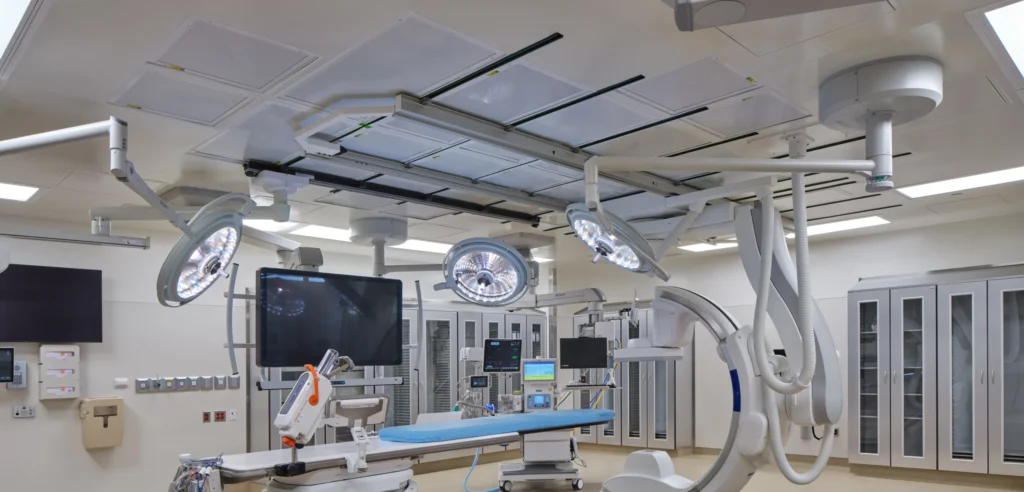
When you study how to choose hospital furniture, look at smart features. Some beds track heart rate and movement.Smart medical furniture Staff can view data on screens. Chairs may store height and tilt settings. This helps each patient feel stable and safe. Smart design also supports Hospital furniture durability and safety in busy wards.
Now let’s see how this helps the staff. Fast data saves time during rounds. Fewer manual checks reduce strain. Medical furniture selection should focus on ease of use. Simple controls lower training time. Strong build and tech together improve care flow. This makes daily work smoother for nurses and doctors.
Making the Final Decision: Checklist for Choosing Hospital Furniture
Step 1. Check quality and strength
Start with How to choose hospital furniture by checking the build strength. Review the hospital furniture quality in frames and joints. Test weight limits and stability. Look at weld points and surface finish. Strong parts last longer in busy rooms. This step supports choosing hospital furniture for recovery and daily patient safety.
Step 2. Review comfort and ergonomics
Now test comfort for both patient and staff. Sit on chairs and adjust the bed height. Ergonomic design should reduce strain and pain. Smooth controls are easy to use. Patients rest better with proper support. Comfort builds trust and helps recovery over time.
Step 3. Confirm safety features
Check safety rails, brakes, and lock systems. Make sure the edges are smooth. Test wheels for a firm grip on floors. Review safety labels and load guides. Safe design lowers injury risk. This protects staff and patients each day.
Step 4. Compare cost and maintenance
Review price against life span value. Low cost may mean short use. Ask about spare parts and service plans. Easy cleaning supports Hospital furniture quality. Simple care saves time for staff. Good planning reduces repair needs later.
Step 5. Ask suppliers key questions
Request safety test proof and warranty terms. Ask about repair time and part supply with Mandeep Furniture. Confirm cleaning steps and product care rules. Keep all answers in written form. Clear records help audits and future orders. This keeps How to choose hospital furniture simple and well tracked.
FAQs
Most furniture lasts seven to fifteen years. Replace sooner if damage affects safety. Regular checks help track wear. Heavy-use areas may need faster updates.
Yes, there are special designs for seniors. Low-height beds reduce fall risk. Firm support aids posture. Easy grip rails help safe movement and comfort.
Yes, smart layout and adjustable beds save time. Smooth wheels aid fast movement. Ergonomic design reduces strain. This lowers injury risk and supports daily tasks.
New designs include sensor beds and memory chairs. Antimicrobial surfaces improve hygiene. Lightweight frames ease movement. Digital tracking helps monitor patient status in real time.