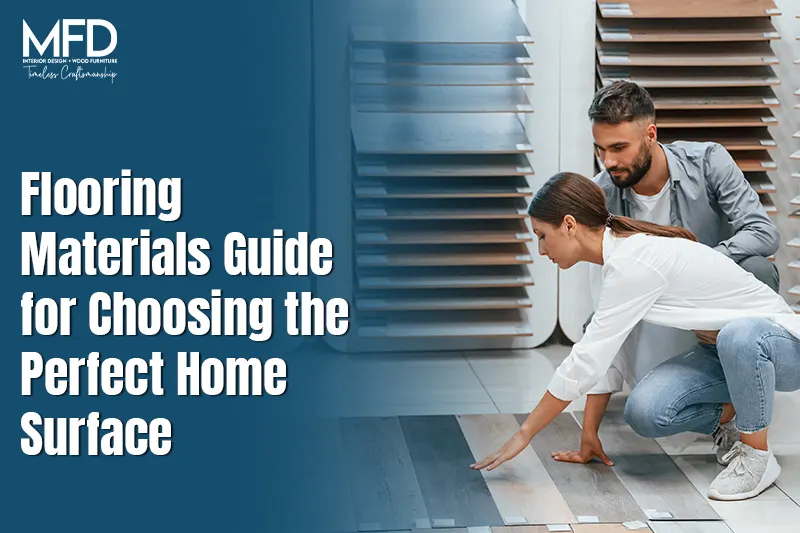
Choosing new flooring is not always easy. Every material looks different and works in its own way. This flooring materials guide helps you compare the most common choices before making a final decision. The right floor can improve comfort, last for years, and add value to your home. A little planning now can help you avoid costly mistakes later.
You might notice that each room has different needs. A bathroom needs water resistance, while a living room may need warmth and comfort. Your budget also plays a big part in the decision. This guide explains the most popular flooring options and helps you choose a surface that fits your home and daily life.
Understanding Today’s Most Popular Flooring Materials
Today’s homes offer many flooring choices. Each one has its own look, strength, and level of care. Learning about these flooring material types makes it easier to compare them. Once you know how each material performs, choosing the right floor becomes much simpler. Professional flooring works help ensure the right materials are selected and installed properly for long-lasting results.
Natural Wood Flooring and Engineered Wood
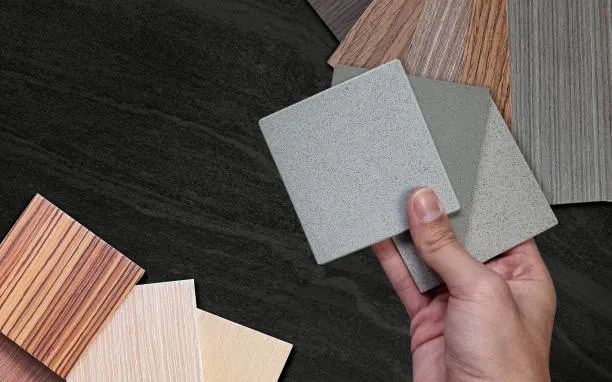
Natural wood gives a warm and classic look. Many homeowners like it because every plank has its own pattern. Engineered wood offers a similar style with added stability in changing weather. Both are among the best flooring materials for living rooms and bedrooms where moisture is limited. Quality wood flooring steps can also enhance the appearance and durability of wooden surfaces when planned correctly.
Vinyl Laminate Tile and Stone Flooring
Vinyl is popular because it handles water well and is easy to clean. Laminate gives the look of wood at a lower price. Tile works well in kitchens and bathrooms because it resists moisture. Stone creates a premium finish and can last for many years. These are common residential flooring options for busy homes.
Carpet, Concrete, and Modern Alternatives
The carpet feels soft and warm under your feet. It works well in bedrooms and family rooms. Concrete suits modern homes and offers long-lasting strength. Cork and bamboo have also become popular because they provide comfort while offering a different style. Each material fits a different need and design.
Matching Every Flooring Material With The Right Room
Every room has its own purpose, so one flooring type does not fit every space. Looking at room suitability before buying helps you make a better choice. Moisture levels, foot traffic, and daily use all affect how well a floor performs over time. Choosing the right floor for each room helps reduce future repairs and keeps your home looking its best. For custom interior solutions, custom woodwork & joinery services can complement flooring designs with detailed wooden features.
Living rooms often look great with hardwood or engineered wood because they create a warm and welcoming feel. Bedrooms usually benefit from carpet or wood since they provide extra comfort during daily use. Hallways and entryways receive heavy foot traffic every day. Strong materials like tile, luxury vinyl, or quality laminate often perform better in these spaces. Choosing the right floor for each room helps reduce future repairs and keeps your home looking its best.
Comparing Flooring Materials Side-by-Side
Every flooring material has its own strengths. Some last longer while others are easier to clean. Looking at them together makes the choice much easier. This quick comparison highlights flooring durability, maintenance needs, lifespan, and overall value before you decide.
| Flooring Type | Durability | Water Resistance | Maintenance | Lifespan | Cost |
| Hardwood | High | Low | Regular care | 30 to 50 years | High |
| Vinyl | High | Excellent | Very easy | 15 to 25 years | Low to Medium |
| Laminate | Medium to High | Good | Easy | 15 to 25 years | Medium |
| Tile | Very High | Excellent | Easy | 40 years or more | Medium to High |
You might notice that every material offers a different balance. Hardwood brings lasting beauty while vinyl performs well in wet areas. Laminate provides good value, and tile offers one of the longest flooring lifespan options. Think about your budget and daily needs before making your final choice because flooring cost factors vary from one material to another.
Choosing Flooring Based On Daily Lifestyle Needs
Every home is different. A busy family may need strong flooring, while a quiet home may focus more on comfort. Daily habits often matter more than appearance alone. Choosing a floor that matches your lifestyle helps you enjoy it for many years.
Best Choices For Busy Family Homes
Homes with children often experience heavy foot traffic every day. Luxury vinyl and tile handle daily use very well. They are easy to clean and offer excellent flooring durability. These surfaces also resist small spills and everyday wear better than many other materials.
Better Options For Pets And Active Lifestyles
Pets can leave scratches and bring dirt inside the home. Vinyl and quality laminate are good choices because they offer better scratch resistance than many natural wood floors. They also clean easily after muddy paws or small accidents.

Flooring for Quiet, Comfortable Living Spaces
Bedrooms and reading rooms often need a softer feel. Carpet adds warmth and improves comfort underfoot during daily use. Engineered wood is another good choice because it creates a calm look while providing a comfortable walking surface.
Pros And Cons Of Popular Flooring Materials
Every flooring type has advantages and limits. Looking at both sides helps you make a balanced decision. Think about your budget, maintenance time, and daily use before choosing a material.
Hardwood Flooring
Pros
- Natural and timeless appearance.
- Long service life with proper care.
- Adds value to many homes.
- Can be refinished several times.
Cons
- Higher purchase cost.
- Sensitive to moisture.
- Scratches more easily than tile or vinyl.
- Needs regular maintenance.
Vinyl Flooring
Pros
- Water resistant.
- Easy to clean.
- Comfortable to walk on.
- Good for busy homes.
Cons
- Cannot always be repaired easily.
- Lower resale value than hardwood.
- Some products may fade in strong sunlight.
- Quality varies between brands.
Laminate Flooring
Pros
- Budget-friendly.
- Simple installation.
- Good appearance.
- Resists everyday wear.
Cons
- Moisture can damage some products.
- Cannot be refinished.
- May sound harder underfoot.
- Lower lifespan than hardwood.
Important Material Features Worth Comparing First
Looking beyond appearance helps you make a smarter flooring choice. A floor should match your daily routine and the conditions inside your home. You might notice that one material performs well in wet areas while another feels more comfortable to walk on. Comparing these features helps you choose with confidence.
Moisture Resistance Across Flooring Materials
Water can shorten the life of many floors if you choose the wrong material. Vinyl and tile offer strong moisture resistance, making them ideal for bathrooms, kitchens, and laundry rooms. Hardwood works best in dry spaces because too much moisture may cause swelling or movement over time.
Scratch Resistance And Daily Wear
Some homes experience more wear than others. Families with children or pets often need floors that resist marks and scuffs. Vinyl and tile provide excellent scratch resistance for busy homes. Laminate also performs well during normal daily use when it is installed correctly.
Comfort Underfoot And Noise Reduction
Comfort becomes important in areas where people spend a lot of time. Carpet provides the softest feel and helps reduce noise between rooms. Cork is another good choice because it offers natural cushioning. Engineered wood also gives better comfort underfoot than many hard surfaces.
Eco-Friendly Flooring Materials
Many homeowners now prefer materials that have less impact on the environment. Bamboo and cork are popular eco-friendly flooring choices because they come from renewable resources. Some wood and vinyl products also contain recycled materials, giving homeowners more sustainable options without giving up durability.
Flooring Installation Methods Every Homeowner Should Know
The right installation method is just as important as choosing the flooring itself. A good installation helps the floor last longer and perform better every day. Understanding the basic methods also helps you decide whether the project is suitable for you or requires professional help. Combining quality flooring with well-designed outdoor wooden structures can also create a balanced and attractive home environment.

Floating Floor Installation Process
Floating floors connect together without being nailed or glued to the subfloor. Laminate and many vinyl products use this system. It is popular because installation is quicker, and damaged boards are often easier to replace. This method is common in many modern flooring material types.
Glue-Down and Nail-Down Methods
Some flooring materials need stronger support. Hardwood is often nailed to the subfloor, while many vinyl and tile products use adhesive. These installation methods create a secure surface but usually require more preparation and experience than floating floors.
When Professional Installation Matters Most
Some projects are best left to trained installers. Uneven subfloors, large rooms, and natural stone often need professional work for the best result. Following a trusted flooring installation guide also helps prevent mistakes that may reduce the life of your new floor.
Flooring Maintenance Habits That Extend Surface Life
A good floor can last for many years when it receives regular care. Simple habits such as sweeping, wiping spills quickly, and using the right cleaning products help prevent early damage. Following basic flooring maintenance tips keeps the surface looking clean while protecting its finish from daily wear.
Now let’s see why routine care matters. Heavy furniture should use protective pads to reduce scratches, and entrance mats help stop dirt before it reaches the floor. Regular inspections also help you find small problems before they become costly repairs. Good maintenance requirements support a longer flooring lifespan and help protect your investment for years to come.
Understanding The Real Cost Behind Flooring Choices
The price of flooring is more than the cost of the material. Installation, maintenance, and future repairs also affect your budget. A low-priced floor may cost more over time if it needs frequent repairs or early replacement. This flooring materials guide helps you look at the full value instead of only the purchase price.
You might notice that hardwood has a higher starting cost but can last for decades with proper care. Vinyl and laminate often cost less and need less maintenance. Tile may require a larger installation budget but offers excellent durability. Looking at these flooring cost factors helps you choose one of the best flooring materials for your home and budget.
Common Flooring Mistakes That Cost Homeowners Later
Many flooring problems begin with simple mistakes made before or during installation. Choosing a floor based only on appearance can lead to disappointment later. A surface that looks great may not perform well in rooms with high moisture or heavy foot traffic.
Another common mistake is skipping subfloor preparation or using the wrong installation method. These problems can cause loose boards, uneven surfaces, or early wear. Following a trusted flooring installation guide and thinking about flooring durability before buying helps prevent costly repairs and gives better long-term results.
Expert Tips Before Selecting Your Final Flooring
Taking time before making a final decision often saves money and stress later. Bring home a few flooring samples and place them in different rooms. Natural and indoor lighting can change how colors and textures appear during the day. This simple step helps you make a more confident choice.
Now let’s see another helpful tip. Think about how each room is used every day instead of following trends alone. Compare maintenance needs, comfort, and room suitability before making your decision. Many flooring experts recommend choosing one of the best flooring materials that fits your lifestyle rather than simply choosing the most expensive option.
Flooring Trends Shaping Modern Interior Spaces
Flooring trends continue to change as homeowners look for better performance and fresh designs. Many people now choose natural colors, wide planks, and textured finishes because they create a clean and timeless look. These styles work well in both modern and classic homes. For hospitality and commercial spaces, selecting suitable designs along with hotel furniture suppliers can help create comfortable and visually appealing interiors.
Another growing trend is the use of eco-friendly flooring that supports sustainable living. Bamboo, cork, and recycled materials continue to gain attention among homeowners. Waterproof vinyl and engineered wood also remain popular residential flooring options because they combine style with everyday durability. This flooring materials guide shows that modern flooring is about more than appearance. It also focuses on comfort, long-term value, and practical performance.
Final Thoughts
Choosing the right floor takes careful planning. Every material offers different strengths, maintenance needs, and long-term value. This flooring materials guide shows that the best choice depends on your lifestyle, budget, and the needs of each room. Looking beyond appearance helps you select a surface that will serve your home well for many years. Professional guidance from Mandeep Furniture can help you choose quality flooring solutions that match your home’s style and functional requirements.
You might notice that a little research now can prevent expensive mistakes later. Compare durability, comfort, and maintenance before making your final decision. If you need expert advice or quality flooring solutions, explore Mandeep Furniture. Our team can help you find the best flooring materials that match your home, style, and daily living needs.
Frequently Asked Questions About Flooring Materials
Choosing flooring often raises practical questions beyond basic comparisons. The answers depend on your home, budget, lifestyle, and maintenance expectations. The following FAQs cover additional concerns readers commonly search for before making a flooring decision.
Hardwood often provides the best long-term value because it lasts for decades. Quality tile and luxury vinyl also offer excellent durability with lower maintenance needs.
Look for flooring with good scratch resistance and easy cleaning. Vinyl, tile, and quality laminate usually perform well in homes with pets.
Yes. Light flooring colors often make rooms feel larger and brighter. Darker colors create a warmer look but may make smaller spaces feel more enclosed.
Check that the subfloor is clean, dry, and level. Also, inspect for moisture problems or damage that could affect the new flooring after installation.
Tile and engineered wood usually work well with radiant heating systems. Always confirm that the flooring manufacturer approves the material for heated floors.