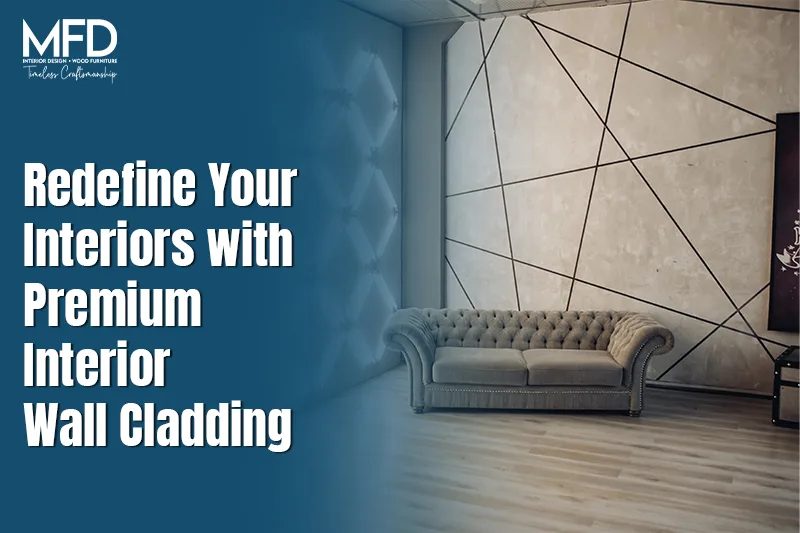
Plain walls can make a fine room feel half done. They hold paint well for a while. Then scuffs, stains, and dull patches arrive like unpaid guests. Interior wall cladding gives walls more depth and better daily use. It adds style while also helping protect the surface under it.
Interior wall cladding also helps owners plan with more sense. You can choose panels for homes, offices, shops, hotels, or clinics. This guide covers finish types, material choices, install steps, design, use, cost points, common mistakes, and pro tips. It keeps the focus on real rooms and real choices.
Walls That Transform Everyday Interior Experiences
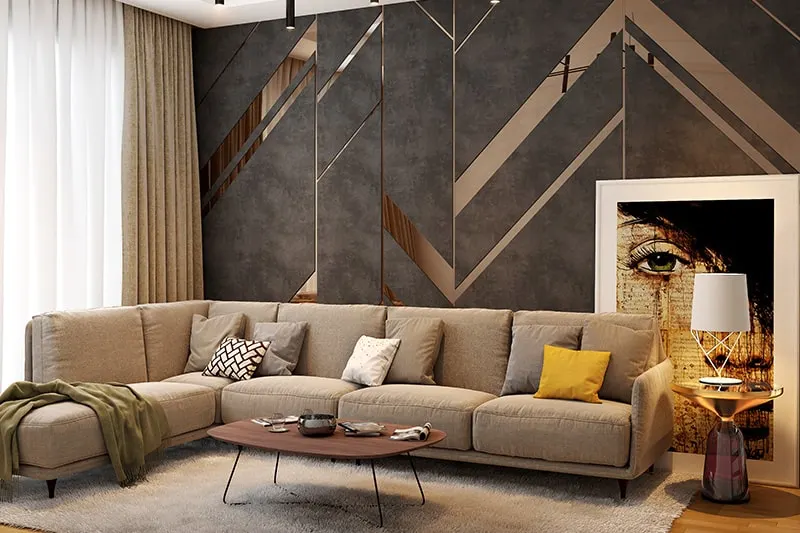
Interior wall cladding means fixed panels or surface layers placed over interior walls. It changes plain walls into stronger and more useful design features. Decorative wall cladding can also hide tired surfaces when the base wall allows proper work.
Paint still has its place in many rooms. Yet walls with daily touch points need more care. Modern wall designs use panels for texture depth and better wear. This works well in halls, lobbies, living rooms, meeting rooms, and retail walls.
Choosing Finishes That Fit Every Interior Vision
Interior wall finishes include paint, wallpaper, tile, plaster, panels, and cladding. Each finish has a place. Decorative wall panels often work better when a room needs texture and surface strength together. They can also complement modern loose furniture to create a balanced interior style.
Custom wall cladding gives more control over color, size, pattern, and surface feel. This matters when one wall must match furniture, lights, and brand style. It also helps when the room needs a feature without loud décor fighting for attention.
| Finish option | Best use | Main limit |
| Paint | Simple, low-wear rooms | Marks can show fast |
| Wallpaper | Soft pattern and color | Edges may lift |
| Tile | Wet zones and splash areas | Cold look in dry rooms |
| Wood panels | Warm spaces and lounges | Needs care from damp air |
| Stone panels | Feature walls and luxury areas | Weight needs proper checks |
| Composite panels | Busy offices and shops | Quality varies by grade |
From Surface Preparation To Final Installation
Good wall cladding starts before any panel goes up. The wall must suit the chosen panel. Interior wall panel installation also needs clean lines and firm fixing. Rushed prep can make even costly panels look cheap.
Stage One: Inspect Existing Wall Conditions
A pro checks cracks, damp areas, loose plaster, and uneven spots first. The wall should be stable before work starts. If moisture sits behind panels, it can cause stains, smell, or loose bonding later.
Stage Two: Select Compatible Cladding Materials
Wall cladding systems must match the room’s use. A busy office needs tougher panels than a guest bedroom. Commercial wall cladding systems also need proper fire rating checks and clear access planning.
Stage Three: Secure Panels With Precision
Panels need careful layout before fixing begins. Edges, corners, outlets, and seams must line up well. Installers often dry-fit panels first. This step saves waste and helps avoid odd cuts near visible spots. It should also align with nearby interior flooring work for a cleaner overall finish.
Material Choices Shape Long-Lasting Interiors
Wooden wall panels give warmth and a natural mood. They work well in lounges, bedrooms, offices, and calm meeting rooms. They need stable indoor air and good sealing. Poor damp control can harm the finish over time.
Stone wall panels create weight, texture, and a premium feel. They suit reception walls, fireplaces, dining areas, and executive spaces. Luxury wall cladding solutions often mix stone, wood, and lights. The right choice depends on wear level, cleaning needs, and wall strength.
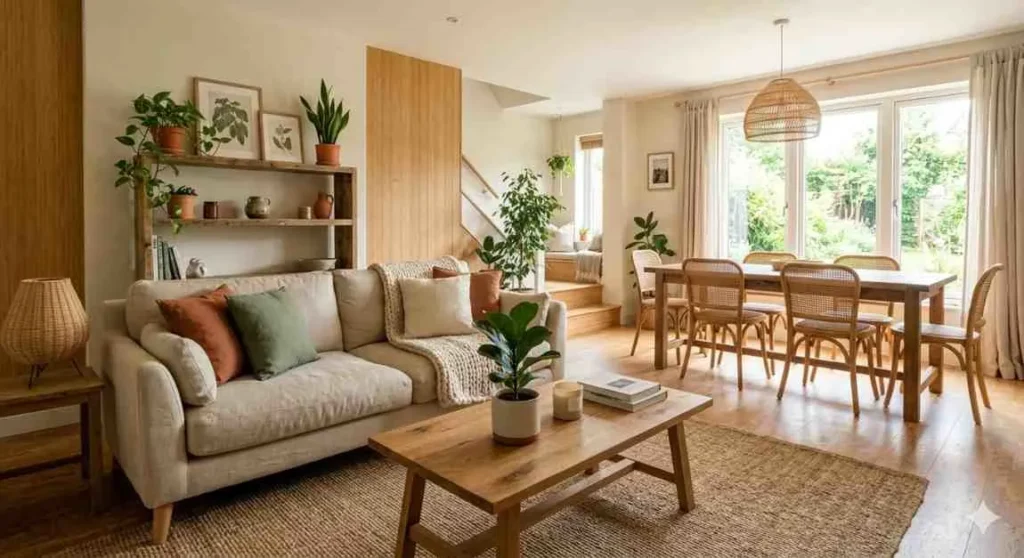
Feature Walls That Create Strong First Impressions
A feature wall should guide the eye. It should not shout at every chair in the room. Feature wall cladding works best where people pause first. Good placement can shape how a whole room feels.
Reception Areas With Visual Impact
Reception walls often set the first mood. Interior feature wall designs can support brand color and signage. They also help plain front areas feel planned and more trust-based.
Collaborative Spaces With Modern Character
Team rooms need energy without visual noise. Decorative office wall panels can add texture behind screens or seating. They help the room feel active while keeping work focus clear.
Executive Interiors With Premium Finishes
Executive rooms need calm detail and clean finish lines. Stone wood or layered panels can add depth. The design should support meetings without turning the room into a showroom.
Everyday Protection Meets Elegant Wall Finishes
Decorative wall cladding can protect surfaces from daily contact. Chairs, bags, hands, and cleaning tools often mark painted walls. Panels help reduce visible wear in busy areas. They also make wall care easier when the right finish is selected.
Interior wall finishes should match how people use the room. Wall cladding systems with wipeable faces suit halls, clinics, shops, and offices. Still, no material is magic. Sharp hits, water leaks, and poor install can shorten the life of any finish.
Useful benefits include these points.
- Better wall cover in busy spaces
- More texture than flat paint
- Cleaner feature wall design
- Easier care with select panels
- Stronger mood for brand areas
- Good cover for uneven walls
- More choice in surface style
- Better sound control with select types
Better Indoor Comfort Starts Behind The Surface

Modern interior wall cladding can support comfort when panels include backing layers. Some interior wall panels help reduce echo in offices, dining rooms, and open spaces. This can make speech clearer, and rooms feel less harsh. Smart building systems can further improve comfort by managing lighting and climate with the wall design.
Commercial wall cladding systems may also support thermal comfort. The effect depends on the panel type, backing air gaps, and base wall. Cladding alone will not fix poor building design. Yet the right system can support a better room feel and cleaner surface use.
Matching Designs With Different Interior Environments
Every space asks for a different wall answer. A shop wall faces more touch than a quiet bedroom. Contemporary wall cladding designs work best when style and use meet early. That choice saves stress later.
Professional Office Interiors
Office wall cladding services often focus on brand walls, halls, cabins, and meeting rooms. Modern wall designs should look neat and be easy to clean. The goal is a tidy workspace.
Hospitality And Retail Spaces
Hotels, cafés, salons, and stores need walls that handle traffic. Surface finish matters because guests notice wear fast. Panels can guide zones and add warmth without heavy rebuild work.
Residential Living Areas
Homes need comfort first. Wall panels can frame a TV wall bed wall or a dining area. Soft wood tones and light textures often work well in family rooms. Custom loose furniture can also help match these feature walls while keeping layouts flexible.
Budget Planning Beyond Material Selection Alone
Custom interior wall panels affect the budget through size, finish, thickness, backing, and edge detail. Labor also matters. A simple flat wall costs less than a wall with niches, lights, outlets, and tricky corners. Prep work can change the final spend, too.
Interior wall cladding should be planned by full project scope. Decorative wall panels may cost more upfront than paint. Yet they can reduce repaint work in high-wear zones. Ask for a clear quote that lists material, prep, labor, trim, and waste.
Design Trends Shaping Tomorrow’s Interior Spaces
Design trends move toward texture, warmth, and cleaner install lines. Many owners now want surfaces that look good and handle daily use. Contemporary wall cladding designs also lean toward calm tones and fewer loud patterns.
Textured Surface Innovations
Textured panels add shadow and depth. They work well when lighting hits the wall from above or beside. Too much texture can trap dust, so place it with care.
Sustainable Cladding Materials
Some luxury wall cladding solutions now use recycled or lower-waste materials. Buyers also ask about low odor finishes. Outdoor wooden structures with matching interior finishes can also create a consistent design theme. Always check product data before choosing a green claim.
Seamless Large Format Panels
Large panels reduce joint lines and visual breaks. They suit modern offices, hotels, and clean home designs. Custom wall cladding helps match panel size with wall height.
Common Mistakes To Avoid Before Choosing Panels
Panel mistakes often start before installation begins. Many owners trust online photos and skip samples. Others ignore wall condition, lighting, moisture trims, and outlet placement. These small gaps can make a premium panel look poorly planned. Check the wall first. Then match the material to daily use. A careful start saves money, time, and regret for most projects today.
- Choosing panels from photos only
- Skipping real material samples
- Ignoring wall cracks and damp spots
- Forgetting outlets, corners, and trims
- Choosing a style before daily use
- Missing how the room light changes color
- Hiring without checking install skill
Who Should Use Interior Wall Cladding
Homeowners can use cladding for TV walls, bedrooms, dining areas, and halls. It works well when the paint feels too flat. It also helps when a room needs a warmer or more layered finish without full remodel work.
Business owners can use panels in offices, shops, clinics, salons, hotels, and food spaces. Project owners should use cladding when walls need style and better wear. It suits places where first views and daily use both matter.
Expert Tips From Real Wall Projects
Always choose the panel after you study the wall and room use. High traffic zones need tougher faces. Quiet rooms can use softer textures. Ask how panels handle cleaning, moisture, edge trim, and repair before buying.
Keep lighting in the plan. A great panel can look dull under poor light. Side lighting can also show bad seams. Order extra panels from the same batch. Wood flooring steps should also be planned alongside wall finishes so materials and installation flow together. Future repairs look better when the finish still matches.
Why Professional Services Help The Result
Professional cladding work brings better checks, better layout, and cleaner finishing. A skilled team looks at wall-level moisture joints, trim, and fixing methods. They also plan cuts around switches, doors, corners, and visible edges.
That process reduces waste and helps the final wall look planned. It does not promise perfect results in every room. Yet it gives the project a stronger chance of lasting well and looking right.
Conclusion
Wall panels can change how a room looks and works each day. This guide covered material choice, surface prep, install steps, feature walls, comfort benefits, cost points, and common errors. The main point is simple. Choose panels by room use first. Then match the style, strength, care needs, and budget with care. Mandeep Furniture offers high-quality wall panel solutions that combine style, durability, and functionality to enhance both residential and commercial interiors.
Interior wall cladding works best when planning starts before panels arrive. Good checks help avoid poor joins, weak fixing, damp issues, and wasted spend. A skilled team can guide material fit, layout, and finish detail for your next upgrade start with the wall condition. Then build the design from there today.
Helpful Answers Before Selecting Wall Cladding
Choosing wall cladding involves more than a nice finish. Material strength install method, care needs, and future value all affect the result. These answers cover common concerns that owners ask before they start a wall upgrade.
PVC and composite panels often need less care. They wipe clean with ease. Wood and stone need more care based on the finish.
Yes, it can when the wall is dry, firm, and level. A pro should check cracks, damp spots, and loose plaster first.
Interior Wall Cladding can support value by improving the look and durability. Results depend on quality install material choice, and buyer taste.
Interior Wall Cladding can support value by improving the look and durability. Results depend on quality install material choice, and buyer taste.
Composite PVC laminate and treated wood panels suit busy rooms. Choose wipeable finishes with strong edges and good impact resistance.