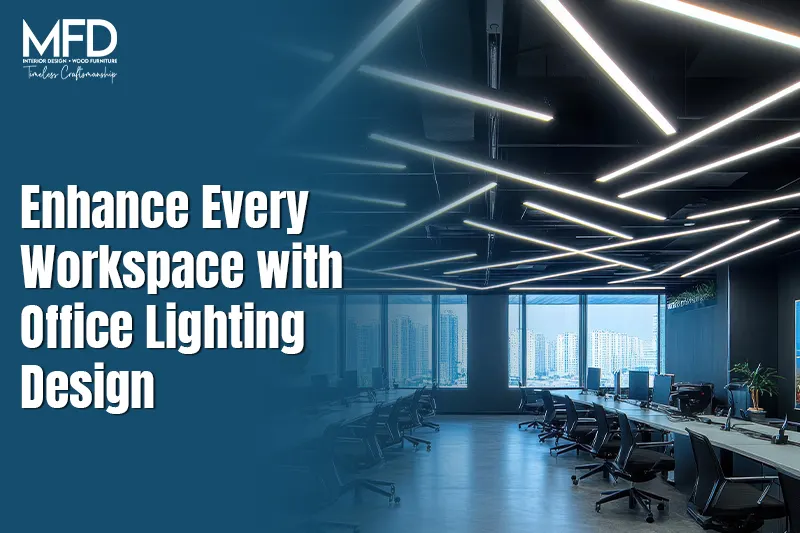
Poor office light does more than strain eyes. It slows work and drains focus. It can make a good space feel tired. Staff may feel sleepy before lunch. Clients may also notice the dull mood. Office lighting design helps fix these issues with a clear plan.
A smart plan supports each task and each room. Workplace lighting design improves desks and halls. It also helps meeting rooms feel clear. Professional lighting design can reduce glare and wasted power. Office lighting design gives every area the right light for daily work.
Everyday Workplace Challenges Solved Through Lighting

Poor office light often starts with small mistakes. Desks sit under glare. Corners stay dim. Screens reflect harsh light all day. Staff then fight eye strain and dull focus. Interior lighting solutions fix these issues by matching light to each work zone and task. That sounds simple. Many offices still miss it. The cost shows up daily.
Good commercial lighting design also supports smoother work. Clear light helps staff read files and use screens. It also helps teams move through shared areas with less strain. Energy-efficient lighting can lower waste while keeping rooms useful. The office feels calmer, and work feels less forced. Even the coffee machine gets less blame.
Planning A Lighting Strategy That Actually Works
A good lighting plan starts before any fixture gets ordered. Each room needs light based on real use. That is how modern office lighting design avoids waste.
Step One: Assess Every Workspace
Walk through desks, rooms, halls, and shared zones. Check glare, shadows, screen shine, and dark corners. Ask staff where the light feels weak. Real comments often reveal problems drawings miss.
Step Two: Match Light To Activities
Each task needs a different light level. Desk work needs clear, steady light. Meeting rooms need soft light for screens and talks. Custom workplace lighting solutions help each zone work without harsh light.
Step Three: Balance Natural And Artificial Light
Daylight can help focus when it is managed well. Too much sun creates glare and heat. Blinds, shades, and dimmable lights help keep rooms steady through the day.
Step Four: Review Controls And Future Needs
Workplace lighting design should plan for growth. Smart building systems can adjust rooms by time, occupancy, and use. This helps teams avoid costly changes later.
Ceiling Layout Decisions Influence Daily Comfort
Office ceiling lighting shapes how people feel at desks and shared tables. Fixtures should sit where light spreads across work zones without hitting screens. High ceilings may need wider beams or hanging lights. Low ceilings often need slim panels. Modern loose furniture should also be considered when planning light coverage so layouts remain flexible. The goal is a clear vision without that harsh showroom glare nobody asked for during long work days.
Architectural lighting design also checks ceiling height and room shape. Bright points should not sit above faces or glossy desks. Interior commercial lighting design uses layers to soften shadows and guide movement. A good layout keeps work areas bright and calm. It also helps meeting rooms feel useful without making everyone squint.
Led Technology Changes Workplace Performance
Better Light Quality
LED lighting systems give steady light with less flicker. This helps screens look clearer. It also helps staff work longer without harsh strain.
Longer Product Life
Old bulbs often fail at bad times. LED fixtures last longer in most office use. That means fewer swaps and fewer dark corners during work hours.
Lower Power Use
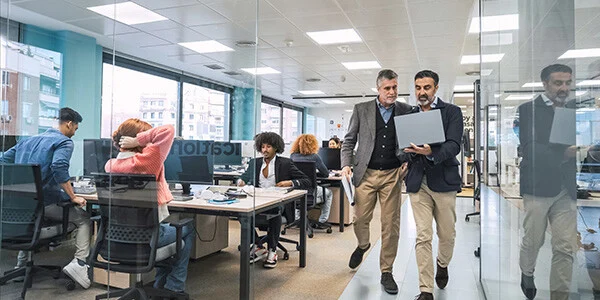
LED office lighting solutions use less power than many old lamps. This supports lower waste each month. It also helps busy offices manage running costs better.
Smarter Room Control
New lighting technology can link with sensors and timers. Lights can dim when rooms sit empty. Staff still get clear light when they need it.
Long Term Value
Energy-efficient office lighting gives value beyond the first install. It can lower service calls and reduce power waste. It can also support future smart office plans. The main gain is simple. Better light helps people work with less strain. The office feels brighter without turning into a white box.
Lighting Zones Built Around Employee Activities
Focus Areas For Individual Tasks
Desk areas need clear light with low glare. Staff need a steady light for screens and paperwork. Soft ceiling light and task lamps can work well together. This helps people stay alert without feeling boxed in.
Shared Spaces For Collaboration
Meeting rooms need flexible light for talks and screens. Bright light helps group work. Lower light helps video calls and slides. Commercial lighting design should also cover break areas. Warm light can make short breaks feel better.
Reception And Visitor Experiences
Reception light shapes the first view of the office. It should feel clear and calm. Interior lighting solutions can guide visitors from entry to waiting areas. Good zones help each space do its own job.
Smart Controls Bring Greater Energy Savings
Smart lighting controls help offices use light only when needed. Sensors turn lights on when people enter. They also dim or switch off empty rooms. Smart office lighting systems can read daylight near windows. Then they lower the room light without hurting comfort. Energy-efficient lighting reduces waste while keeping work areas clear. That gives the bill a calmer ending, too.
• Occupancy sensors stop lights from running in empty rooms.
• Daylight sensors adjust light near bright window areas.
• Timers help reduce waste after work hours.
• Dimmers give staff better control during daily tasks.
• Automation supports comfort without making staff play light police.
Installation Quality Shapes Long-Term Results
Good lighting plans still need clean site work. Poor installs can waste money and cause rework. That is why lighting installation services need clear checks.
Wiring And Safety Preparation
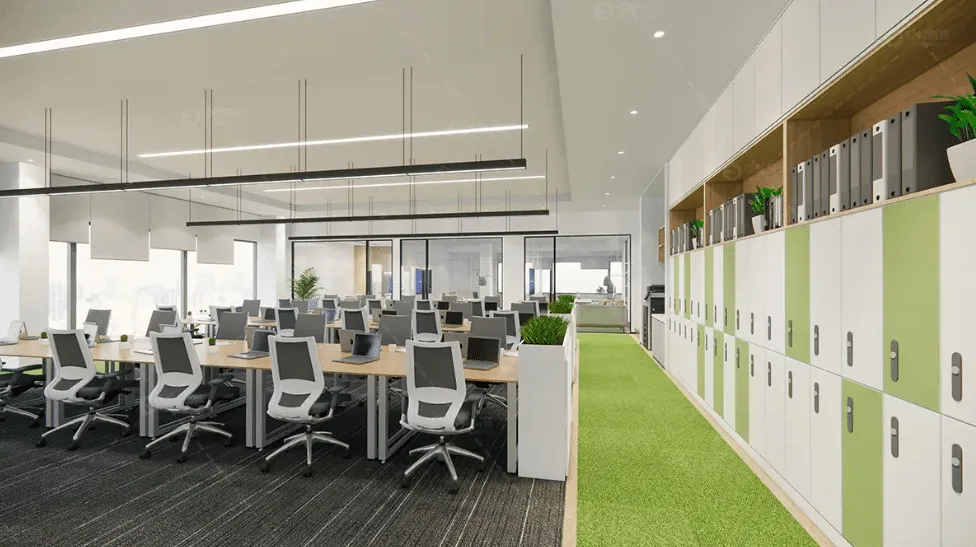
A pro checks circuits, loads, panels, and access points first. Electrical teams plan routes before ceilings close. This step protects the layout and avoids last-minute fixes. It should also be coordinated with interior flooring work to prevent unnecessary rework after installation.
Fixture Testing Before Handover
Commercial lighting installation services should include full fixture testing. Teams check brightness controls dimming range and switch groups. They also confirm each room matches the approved plan.
Performance Verification After Installation
Professional lighting design services do not stop at fitting lights. A final review checks glare shadows and user comfort. Staff can then report small issues before they become daily office folklore.
Design Standards Keep Offices Comfortable Daily
Lighting standards help keep offices clear and easy to use. They guide brightness, color temperature, and CRI. Architectural office lighting design uses these checks before fixtures are placed. Too little light strains the eyes. Too much light creates glare. Both can turn a normal workday into a squint contest.
Professional lighting design also checks room use and surface finish. Screen areas often need softer light. File areas may need a brighter task light. Office lighting design should feel steady across desks, halls, and meeting rooms. A good plan keeps color tone consistent across fixtures. It also leaves room for future control changes.
Upgrade Decisions That Deliver Better Returns
When Old Lighting Starts Costing More
Old office lighting often fails before it fully stops working. Rooms feel dull. Fixtures buzz. Lamps need repeat swaps. Staff complain about glare and shadows. These signs show poor value. Office lighting upgrade services help owners decide what stays and what should change. A planned upgrade can reduce waste and stop small issues from becoming daily repair drama.
• Frequent bulb changes
• Dark spots near work desks
• Glare on screens
• Rising power use
When Retrofits Make More Sense
Retrofits can work when the ceiling layout still serves the office well. New LED lighting systems may fit into existing spaces. That can reduce work time and mess. Interior lighting solutions also help teams improve comfort without a full rebuild. This choice often suits busy offices that cannot pause work for a major lighting reset. Wood flooring steps should also be protected during retrofit work to avoid surface damage.
• Use current ceiling points
• Add better lamp types
• Improve room control
• Reduce daily light waste
Future Focused Lighting Creates Smarter Offices
Future lighting should do more than brighten rooms. It should adjust to people and daily use. Modern office lighting design helps offices plan for change.
Human Centric Lighting Concepts
Human-centric lighting changes tone and strength throughout the day. Bright, clear light can support focus during work hours. Softer light can help late meetings feel less harsh. This idea works best when staff comfort guides each choice.
Connected Building Technologies
Smart office lighting systems can link with sensors and building tools. Lights can react to room use and daylight levels. Managers can review use patterns and spot waste. Custom loose furniture can also support changing workspace layouts while connected lighting adapts to new seating arrangements. This helps future changes feel planned instead of random.
Sustainable Lighting Innovations
Architectural lighting design now often looks at long-term waste. Better fixtures use less power and need less service. Controls can also cut light use in empty spaces. Outdoor wooden structures may also require efficient lighting when they are used as extensions of office workspaces. These choices help offices stay ready for new work needs.
Conclusion
Good office lighting design starts with real work needs. It checks glare, shadows, ceiling layout, and daily tasks. It also looks at controls, power use, and future changes. The guide showed how better planning helps desks, meeting rooms, halls, and entry spaces. It also explained why smart controls and LEDs matter. Mandeep Furniture provides office lighting solutions that improve comfort, support productivity, and create efficient workspaces with thoughtful planning and modern lighting systems.
Commercial lighting design gives offices a clearer path before money is spent. Professional lighting design can spot weak zones before they become daily issues. This matters because lighting affects focus, comfort, cost, and first visits. As offices change, better planning keeps each space ready. Speak with a lighting expert before your next upgrade.
FAQs
A neutral white range often works well for offices. Warm light suits lounges. Cooler light supports task zones. Test areas before full rollout with staff.
Good workplace lighting design reduces glare on screens. It also balances room brightness. Staff can read better and avoid harsh contrast during long workdays.
Yes, daylight can reduce power use when planned well. Window light works best with sensor shades and smart lighting controls that adjust room brightness.
A full upgrade makes sense when fixtures fail often. It also helps when the power use causes glare and dim areas, which keep causing daily work issues.
Desks need a clear task light. Meeting rooms need flexible light. Halls need a steady guide light. Break areas need softer light for comfort.