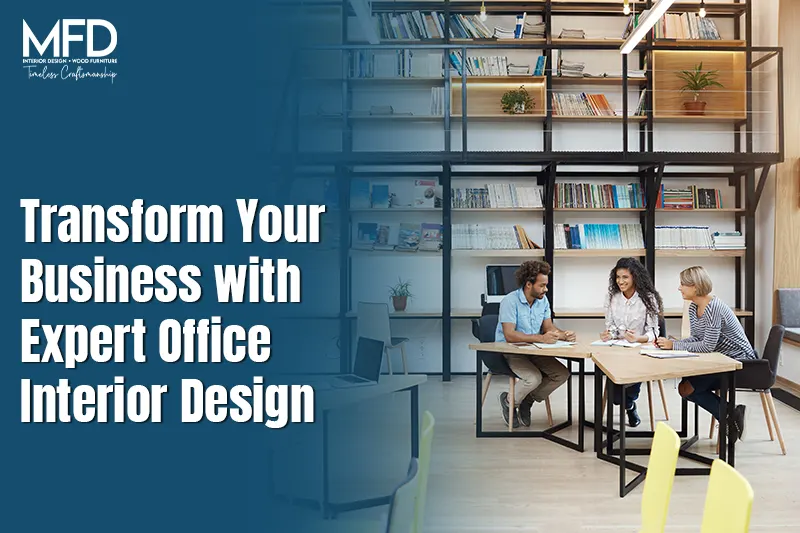
Old offices can make good teams feel boxed in. Desks feel tight. Light feels dull. Clients notice the room before the pitch. That is a rough way to start trust. Office interior design fixes more than walls and chairs. It helps people work with less stress. It also gives your brand a clear face.
Better office interior design can shape focus, flow, and first impressions. Strong commercial office design keeps teams close without making the place feel like a maze. Professional office interiors also help clients see order fast. This guide covers layout style, space use, budget, and smart design steps. Now lets see what makes a workplace work better.
Beyond Decor: Creating Purpose-Driven Offices
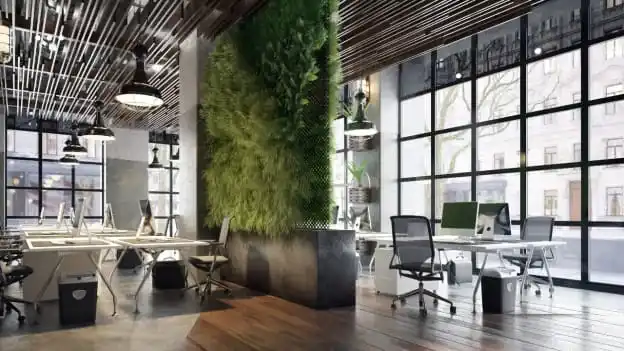
Office design is not just about neat chairs and calm wall shades. A nice room can still slow the whole team. Corporate interior design starts with real work habits. It studies how staff move, talk, meet, and store tools. It also checks light noise privacy and client flow. That makes the office useful instead of a showroom proud.
Good planning helps owners avoid costly guesswork later. Workplace interior solutions give each area a clear job. Teams need calm desks, quick access, and rooms that fit real tasks. Office design services bring space, use, brand needs, and daily flow together. Now the office does more than sit there looking costly.
Designing Offices Around Daily Team Workflows
A good office should fit how people work each day. Teams need open areas for fast talks and quiet spots for focus. Office space planning makes these choices useful, not fancy for no reason. Modern loose furniture also helps teams adjust spaces quickly as work changes.
Matching Layouts With Daily Operations
Professional office space planning starts with real tasks. Designers watch how staff enter, sit, meet, print, call, and move. This shows where desks, rooms, storage, and paths should go. It also stops the classic office sport of hunting for chairs.
Reducing Workplace Distractions Naturally
Modern office interiors use layout to lower noise and stress. Quiet work should not sit beside loud team zones. Meeting rooms need clear paths that do not cut through desks. Good flow keeps people moving without bothering every poor soul nearby.
Features Every High-Performing Office Should Have
A strong office helps people work with less drag. Professional office interiors should support focus, comfort, and daily flow. The best rooms do not shout for praise. They just make work feel less like a chair-based test.
Smart Lighting For Better Focus
Poor light can drain a team fast. Natural light helps mood and clear sight. Task lights help staff read the plan and work longer. Workplace interior solutions place light where people need it most. Smart building systems can also adjust lighting based on room use. Nobody should fight screen glare at nine.
Sound Control That Protects Focus
Noise can ruin deep work in minutes. Soft panels, rugs, ceiling care, and smart walls help. Meeting rooms need sound control, too. Contemporary office interior designs often mix open zones with calm rooms. This keeps team talk from becoming office weather.
Flexible Areas For Real Work Changes
Teams change tasks throughout the day. Flexible spaces help with quick meets calls, and solo work. Movable seats and shared rooms can save space. This also helps small teams grow without a full rebuild.
Comfort That Keeps People Steady
Comfort is not a luxury item. Good chairs, air flow, and clear paths matter. Staff work better when the room supports their body. Small fixes can cut stress fast. That is cheaper than watching everyone look tired by lunch.
Modern Trends Reshaping Business Interiors Today
Workplaces in 2026 need more than neat desks. Modern office interior design now blends comfort, tech, and smart space use. Modern office interiors also focus on staff health and lower waste.
Flexible Spaces That Adapt Faster
Teams need rooms that change without drama. Shared zones can shift from group talks to quiet work. Light seats move fast when tasks change. This helps firms use space better. It also saves staff from the daily hunt for one decent corner.
Technology Integrated Workplace Experiences
Tech now sits inside the space plan. Screens, booking tools, smart lights, and room sensors help work feel smoother. Creative office design ideas also include wellness rooms, plants, and clean air care. These choices support staff while keeping the office ready for real business needs.
How Great Design Improves Team Performance
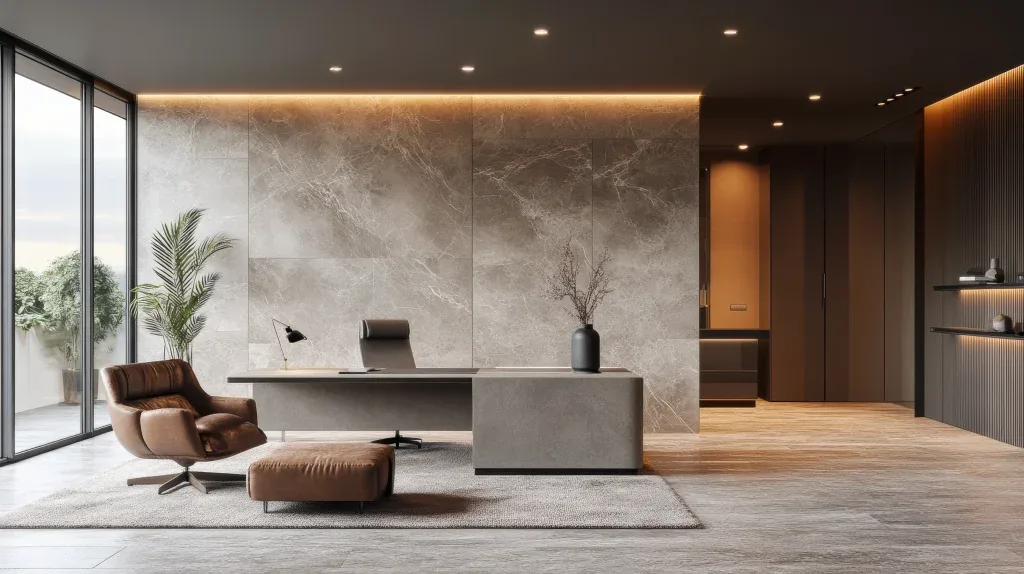
Good design helps teams work with less strain and fewer slow points. workplace interior solutions guide light, sound, space, and movement around real tasks. Corporate interior design also shapes pride and trust inside the office. When staff feel seen, they stay more steady. When clients visit, they read the order before one sales word lands.
- Clear paths cut wasted steps
- Quiet zones help with deep focus
- Better light supports fresh work
- Smart rooms help team talks
- Office interior design builds trust
Selecting The Right Interior Design Partner
Choosing a design partner should not feel like buying mystery chairs in the dark. A good interior design company listens before pushing colors. The right team studies staff needs, brand goals, budget limits, and daily office use.
Reviewing Experience And Past Projects
Past work shows how a team solves real space issues. Look for office design services with projects of your size and business type. Ask how they handled tight spaces, noise, lighting, and staff flow. Pretty photos help, but working proof matters more.
Comparing Design Process And Communication
A trusted office interior design company should explain each step clearly. The team should share timelines, costs, and design reasons early. Clear talks reduce stress and stop surprise changes. That alone can save owners from many desk-based headaches.
Budget Planning Without Sacrificing Quality

Setting A Real Project Range
Office budgets shift by size, scope, finish level, and trade work. Office renovation services may include walls, floors, lights, furniture, and interior flooring work. Start with must have items first. Then set a buffer for site issues. Old offices love small plot twists.
Choosing What Deserves More Spending
Spend more where staff use the space all day. Good chairs, light, sound, care, and storage help daily work. Luxury office interior solutions do not always mean flashy items. They can mean better parts that last longer. Cheap picks often return with a bill.
Saving Money Without Cheap Work
Custom office design helps owners spend with clear intent. Reuse strong items when they still fit the plan. Phase the work when funds feel tight. Ask for clear cost notes before work starts. This keeps quality steady without letting the budget run wild.
Project Timeline From Concept To Completion
A clear office project starts with goals, site checks, and early plans. corporate office renovation services often begin by measuring space and noting work limits. Then the team builds ideas, reviews costs, and sets the work order. This phase helps owners avoid blind dates with costly change orders later.
After approval, the build phase starts with trade teams and site care. Commercial office design needs clear timing for walls, floors, lights, and furniture. Office design services also track delays, permits, and final checks. Most projects move faster when the staff knows each step before the dust shows up.
Materials That Balance Style And Durability
Good office materials must look sharp and survive real use. Staff roll chairs spill drinks and scrape walls without shame. Luxury office interior solutions: choose finishes that keep the space calm and easy to care for.
Sustainable Finishes Worth Considering
Sustainable floors, wall panels, and fabrics can lower waste over time. Bamboo cork, recycled carpet, and low odor paint work well. Contemporary office interior designs often use these choices for cleaner air and less upkeep. Following proper wood flooring steps also helps improve durability and long term performance.
Durable Materials For Heavy Usage
Busy offices need tough floors, strong chairs, and washable wall finishes. custom office design services: compare cost, life span, and daily care. Vinyl tile, dense carpet, stone tops, and metal frames handle heavy use better. Style matters, but repair bills have terrible timing.
Renovation Signals Businesses Should Never Ignore
An office rarely fails overnight. It gives small signs before work starts feeling slow. Owners should watch for space use tech gaps and staff strain early.
Layouts That Slow Daily Work
Old layouts often waste steps and block team flow. Staff walk too far for call files or meeting rooms. Office space planning can fix these gaps before they drain time.
Technology That No Longer Fits
Messy cords, weak outlets, and poor screens show deeper issues. Modern teams need rooms that support calls, screens, and shared work. If tech feels patched together, the office needs a rethink.
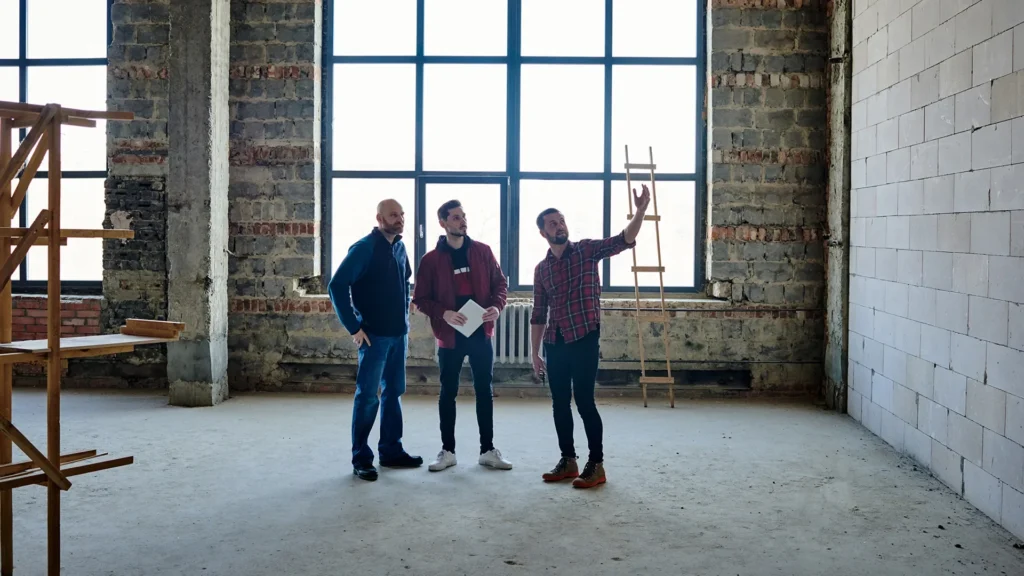
Wear That Hurts First Views
Scuffed floors, faded walls, and tired chairs speak fast. Clients notice these things before your pitch gets warm. Office renovation services help refresh worn areas without changing every part at once.
Staff Complaints That Keep Coming Back
Hot rooms, loud zones, and cramped desks are not small gripes. They often point to poor flow or tired systems. The corporate office renovation services can review these issues with clear steps. Most offices need updates when problems affect work each week.
Future Ready Offices Built For Long Term Growth
Scalable Layouts For Growing Teams
Growth can turn a neat office into a puzzle fast. Office workspace design experts plan rooms that can shift as teams expand. Extra desks, storage, and meeting zones need clear space. Custom loose furniture makes these layout changes easier without major renovation. This keeps owners from moving walls every time hiring gets good.
Hybrid Work Support
Hybrid work needs more than laptops and brave hope. Staff need rooms for video calls and quiet focus. Shared desks also need simple booking paths. Custom office design helps teams use space well. It supports people who work both in the office and away.
Systems That Can Change Later
Future-ready offices need power, data, light, and furniture plans that can adapt. Wires should not look like office vines. Moveable parts help teams change zones without high cost. Smart planning makes upgrades less painful later.
Better Value Over Time
Commercial office interior solutions should protect money after the first build. Durable finishes, flexible rooms, and clean paths help spaces last longer. Outdoor wooden structures can also extend usable business space for meetings or staff breaks. Owners should think past launch day. A good office should support growth before growth starts yelling.
Conclusion
This guide showed how office interior design can fix daily work pain. It covered layout, flow, light, sound, comfort, budget, and future growth. Good offices support focus and teamwork. They also help clients feel trust before talks begin. That is useful when the chair room stops acting like a storage unit. Mandeep Furniture delivers office interior solutions that combine functionality, comfort, and modern design to create productive workspaces.
A skilled interior design company can turn loose ideas into clear steps. The right team checks staff needs, brand goals, and project limits. Office design services also help owners avoid waste and poor choices. Better planning can support growth, hybrid work, and daily comfort. Speak with a trusted design team before your next office update. Make the space work before it starts arguing back.
FAQs
A flexible layout works best for growth. Use shared desks, quiet rooms, and open team zones. This keeps space useful as staff changes over time.
Good lighting reduces eye strain and helps people stay alert. Natural light, task lights, and soft glare control make daily work feel smoother.
Yes, branding should guide colors, signs, rooms, and client areas. It helps people understand your business before anyone starts the sales talk.
Avoid guessing layouts, buying cheap furniture, and skipping staff needs. Poor planning creates delays, extra costs, and rooms nobody wants to use.
Strong green materials can last longer and need less upkeep. They also reduce waste and help offices avoid constant repair bills later.