A home can feel dull or strong based on the floor you choose. Many people face cracks, stains, and fast wear after wrong picks. Cost also adds stress when repairs start early. That is why flooring choice matters for comfort, safety, and long-term value in every room of a house.
When planning interiors, most owners look for the best flooring materials for a house that balance style and strength. A wrong choice can reduce comfort in daily use. For example, a family may regret smooth tiles in wet areas due to slips. Good planning helps match rooms with strong and safe surfaces that last for years.
How Floors That Balance Style and Strength
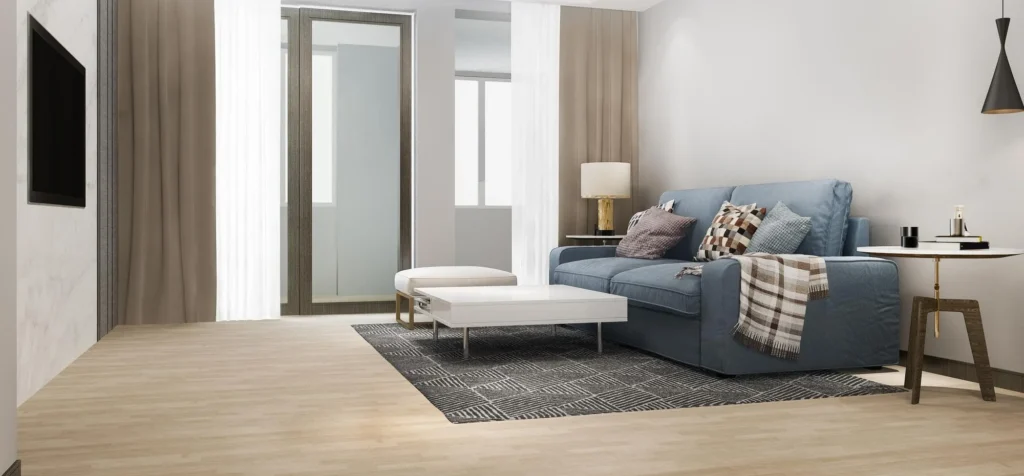
Floor choice shapes daily comfort and home value in a big way. Many people face issues like scratches, moisture damage, and high repair costs when they choose the wrong surfaces. That is why selecting the best flooring materials for the house is important for long-lasting use and a better living experience in every room.
The best flooring materials for a house should match design needs, room use, and budget limits. In many homes, poor choices lead to early wear in living spaces or kitchens. This guide compares strong and stylish home flooring options for different areas. You will learn which floor materials are best for homework for bedrooms, kitchens, and high-traffic zones with real, practical examples.
Why Flooring Choices Shape Comfort and Home Value
Flooring affects how a home feels, sounds, and stays warm. Many people do not realize how home flooring options impact daily comfort. Soft floors reduce noise in family homes while strong surfaces handle heavy use. Wrong choices can lead to higher repair costs and less comfort over time in busy rooms, as highlighted in restaurant exhibition interiors.
Good flooring also changes resale value and long-term upkeep. A family home may need easy cleaning surfaces, while rentals need strong wear resistance. Choosing the best flooring materials for a house helps balance style and use. In one rental case, weak flooring raised repair costs after one year, showing why smart selection matters. This is where durable flooring becomes a long-term investment.
Flooring Comparison Table
| Factor | Comfort Level | Lifespan | Maintenance Needs |
| Soft Wood | High | Medium | Moderate |
| Vinyl Sheets | Medium | High | Low |
| Ceramic Tile | Low-Medium | Very High | Low |
| Laminate | Medium | Medium | Moderate |
This simple view helps homeowners pick better flooring for design and budget needs.
Matching Each Room With the Right Surface Type
Each room in a home has different uses and pressure levels. A room-by-room flooring guide helps match surface type with daily activity. High-traffic areas need strong support, while wet zones need safe moisture control. Choosing the right material reduces damage and keeps floors looking good for years.
Living rooms face constant walking and furniture weight. Bedrooms need comfort and warmth for rest. Kitchens and bathrooms deal with spills and water exposure. That is why planning for the best flooring materials for a house helps avoid early wear and costly repairs. A good selection also improves safety and long-term home value.
Best Choices for Living Rooms and Bedrooms
Many people ask which flooring material is best for the living rooms and bedrooms. Wood and laminate work well for comfort and style. They feel warm underfoot and suit family spaces. For example, a family living room with light wood flooring stays cozy and easy to maintain with regular care.
Water-Resistant Options for Kitchens and Baths
Wet areas need strong protection from spills and humidity. Moisture-resistant flooring like vinyl or ceramic tiles works best in these spaces. For example, a kitchen with tile flooring handles daily cooking mess without damage. Bathrooms also stay safer with non-slip, water-friendly surfaces that reduce slip risks.
Hardwood and Engineered Wood for Timeless Warmth
Wood floors bring a warm and natural look to any home. Many people choose wooden flooring options because they improve style and comfort. Solid wood and engineered wood are the two main types. Both look similar but perform differently in daily use, making the choice important for long-term value and comfort, as highlighted in retail showroom interiors.
Solid wood is made from one piece of natural timber. It can last many years and be refinished several times. Engineered wood is layered and more stable in changing weather. Homes with hardwood floors often gain higher resale value due to their premium look and long-life performance in interiors.
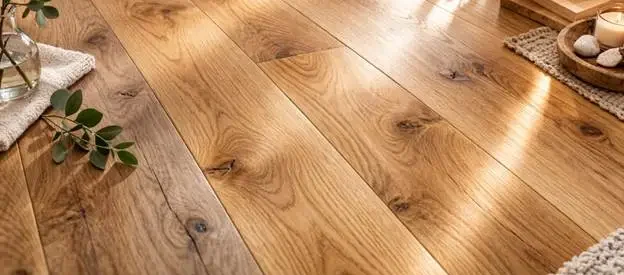
Popular Wooden Flooring Options for Interiors
Common choices include oak, maple, and walnut finishes. These styles create a classic look in living rooms and bedrooms. They also match both modern and traditional home designs.
When Engineered Wood Makes More Sense
Engineered wood flooring works better in areas with moisture changes or temperature shifts. For example, apartments and upper floors benefit from its stability. It reduces warping risks and still offers a natural wood appearance.
Luxury Vinyl Delivers Beauty Without High Cost
Many homeowners want strong floors that still look stylish. That is why vinyl flooring materials are now very popular in modern homes. Luxury vinyl plank and tile use a layered construction that gives a realistic wood or stone look. They also handle spills well, making daily cleaning simple for busy families.
Luxury vinyl is built with a strong core layer and a printed design layer. This gives it a natural surface look while keeping costs lower than real wood or stone. Waterproof flooring makes it a smart choice for kitchens and entry areas where moisture is common. It also helps reduce long-term repair needs and maintenance costs, as discussed in acoustic door systems.
Vinyl Flooring Materials and Wear Layers
Luxury vinyl includes a protective wear layer on top. This layer helps resist scratches from shoes, furniture, and pets. It keeps the floor looking fresh even in high-use areas.
Ideal Uses for Busy Family Households
Luxury vinyl plank works well in homes with kids and pets. For example, a busy living room with spills and heavy foot traffic stays easy to clean. It offers a balance of comfort, style, and durability for everyday use.
Tile and Stone Offer Water Resistance and Style
Tile and stone are strong choices for homes that need long life and easy cleaning. Many owners choose porcelain tile flooring because it handles water and daily wear very well. Ceramic is lighter and more budget-friendly. Natural stone flooring gives a rich and unique look, but it needs more care over time in busy homes.
These water-resistant floors are useful in kitchens, bathrooms, and entry areas. Porcelain and ceramic resist stains and moisture well. Stone looks premium but can absorb water if not sealed. Slip safety also depends on surface texture and grout lines that need regular cleaning to stay fresh and safe, as discussed in commercial furniture fitout.
Pros and Cons of Tile and Stone
Pros
- Long-lasting and strong surface
- Good water resistance for wet areas
- Easy cleaning with simple care
- Wide design choices for style
Cons
- Hard surfaces can feel cold underfoot
- Grout lines need regular cleaning
- The stone needs sealing for protection
- Can feel slippery when wet if not textured
Tile and stone work best where strength and moisture control matter most.
Laminate and Hybrid Floors Built for Daily Life
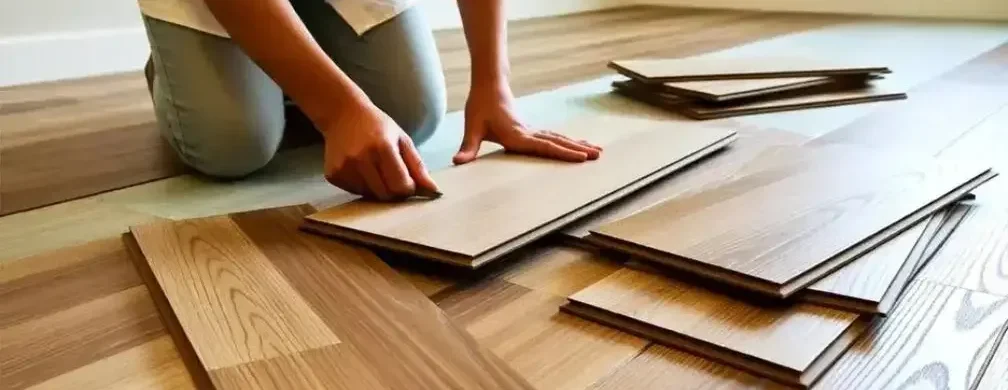
Laminate is a strong choice for busy homes. It uses a printed top layer with a tough core underneath. This makes laminate flooring resistant to scratches from shoes, pets, and furniture. It is often chosen by families who want a wood look without high cost or heavy care in daily use.
Hybrid flooring is a newer option with a rigid core. It mixes strength and water resistance in one surface. Hybrid flooring often feels more stable under heat and moisture changes. Both options sit in the affordable flooring range compared to hardwood or stone, making them popular for budget-friendly home upgrades.
Laminate Flooring for Budget-Friendly Homes
Laminate is easy to install and replace. It clicks together quickly and works well in bedrooms and living rooms. It costs less than wood but still gives a stylish finish.
Hybrid Flooring for Stronger Performance
Hybrid floors handle water and impact better than standard laminate. For example, kitchens and hallways stay safer from spills and scratches. It offers a balance between vinyl comfort and laminate strength.
Carpet and Cork Bring Softness and Quiet Indoors
Soft floors change how a home feels every day. Carpet flooring adds warmth underfoot and helps reduce noise between rooms. Many families choose it for comfortable and calm spaces. It also supports insulation by keeping rooms warmer during colder seasons, which improves overall living comfort, as highlighted in mosque furniture craft.
Cork flooring is another soft option that feels natural and quiet. It absorbs sound well and gives a gentle walking surface. These comfortable flooring choices work best in bedrooms and upper floors where silence and relaxation matter most. Both options also need regular cleaning to manage dust and maintain hygiene for sensitive users.
Carpet Flooring for Warm Living Spaces
Carpet is ideal for bedrooms and family lounges. It creates a soft surface for walking and sitting. For example, children playing on a carpeted room feel safer due to reduced slip risk and softer impact.
Cork Flooring for Quiet and Eco-Friendly Homes
Cork is naturally flexible and reduces noise between floors. It suits upper-level rooms in apartments. However, allergy-sensitive users should clean it regularly to avoid dust buildup and keep indoor air fresh and healthy.
Five Steps to Select Flooring for Your Lifestyle
Choosing the right floor becomes easier with a clear plan. A simple flooring selection steps guide helps you avoid mistakes and choose the best flooring materials for a house with the right surface. It also improves comfort, durability, and long-term value. This method supports better choices for modern living spaces and budgets.
Step 1: Submission of Request
Start by defining your goals, style, and budget. Think about room use, design taste, and spending limits. Many homeowners exploring top flooring options for modern home construction begin here to set clear expectations before comparing materials.
Step 2: Insurance Verification
Next, check real-life needs like moisture levels, pets, and foot traffic. Kitchens and bathrooms need water safety, while living rooms need strength. This step helps filter unsafe or weak choices based on daily use conditions.
Step 3: Clinical Review
Now compare the samples’ features and technical details. Look at texture, thickness, and finish quality. This helps you understand which floor materials best suit your space before final selection.
Step 4: Approval or Denial Decision
Shortlist the strongest options based on pros and cons. Remove choices that fail comfort, durability, or budget needs. This makes the decision clear and practical for your home.
Step 5: Final Notification
Select the final material and confirm the installation plan. Check timing, color, and layout details before work begins. This ensures smooth installation and long-lasting results for your flooring project.
Budget vs Durability: Finding the Smart Middle
Floor choice is not only about price today. It also affects future repair and replacement costs. Many people choose affordable and durable flooring materials for houses to balance spending and long-term use. A smart decision looks at both the upfront cost and how many years the floor will last in daily use.
Some floors cost less at first but wear out quickly. Others cost more but last longer with fewer repairs. A clear flooring cost comparison helps you see real value over time. For example, a kitchen with cheap flooring may need replacement in five years, while stronger options can last much longer and reduce stress.
Cost Per Year Example Table
| Flooring Type | Average Cost | Lifespan | Cost Per Year |
| Laminate | Low | 8 years | Moderate |
| Vinyl Plank | Medium | 15 years | Low |
| Ceramic Tile | Medium-High | 20+ years | Very Low |
| Hardwood | High | 25+ years | Low |
This shows how long-lasting flooring can save money in the long run, even if the first cost is higher.
Smart Buying Insight
Think beyond installation price. Strong flooring reduces repairs and replacements. A family home may benefit more from durable options even if the start cost feels higher.
Final Thoughts on Choosing Floors That Truly Last
Choosing floors is not only about looks. It is about daily use comfort and long-term strength. Every room has different needs for safety, moisture, and traffic. That is why the best flooring materials for a house should match your lifestyle, budget, and design taste. A careful choice helps avoid early damage and extra repair costs, as highlighted by Mandeep Furniture.
When comparing home flooring options, always check samples and feel the surface quality. Talk with installers to understand real-life performance before the final decision. The best floor materials for the home depend on how each space is used every day. A simple review of options helps you choose floors that stay strong, look good, and last for years.
Common Flooring Questions Homeowners Often Ask
Tile and stone usually last the longest. They resist wear and water damage well. With proper care, they can last many decades in most homes.
Vinyl and tile are the easiest to maintain. They need simple cleaning and resist stains, making them ideal for busy families and daily use.
Vinyl handles water better, while laminate offers a stronger wood look. For wet areas, vinyl is safer, but laminate works well in dry rooms.
Yes, wooden floors improve home value and style. They need care but are often part of the best flooring materials for house interior design choices.
Scratch-resistant vinyl or laminate works best. These surfaces handle claw spills and movement without fast damage.