
Hospitals can feel cold and stiff at times. Beds stay flat while patients need support. Staff bend and strain during simple tasks. Small design flaws often slow healing. That is where the benefits of adjustable and movable hospital furniture are good for patients. The Benefits of adjustable hospital furniture show up in comfort and daily care. When rooms adapt to patient needs, care feels less stressful. Comfort stops being a luxury and becomes part of treatment.
Modern hospitals now use smart and flexible designs. Adjustable medical furniture advantages help patients sit, move, and rest with ease. Staff also work with less strain. In this guide, you will see how comfort links to recovery. You will learn how better support aids mobility. You will also see how flexible design helps both patients and care teams.
Understanding Adjustable Hospital Furniture
Adjustable hospital furniture means beds, chairs, tables, and stretchers that can change position. These pieces move to fit patient needs during care. Ergonomic hospital adjustable hospital beds can raise the head or legs with ease. Some chairs recline for rest or therapy. Stretchers shift height for safe transfer
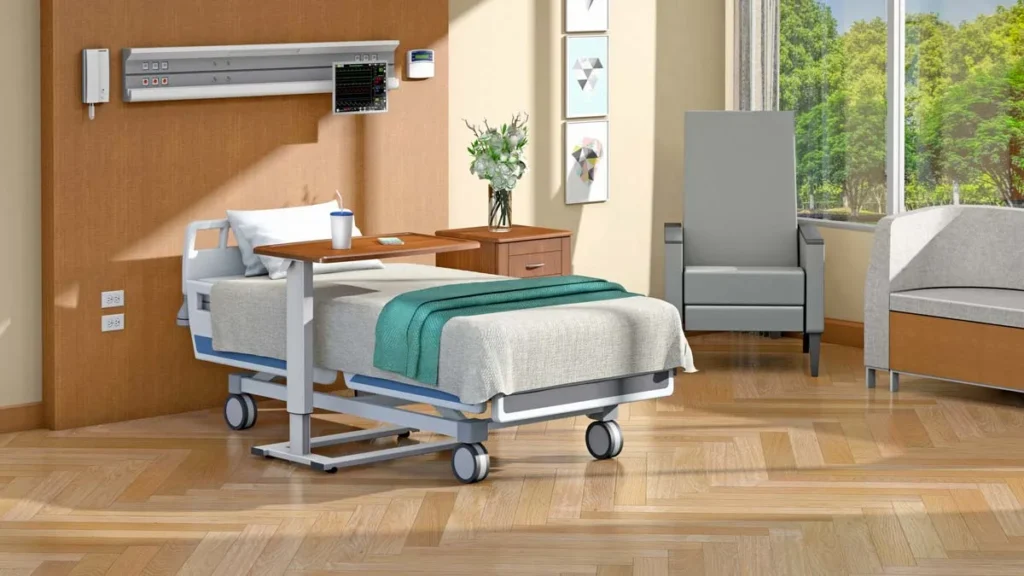
The real benefits of adjustable hospital furniture show in daily use. Adjustable medical furniture advantages include better posture and less strain for staff. Furniture that adapts helps rooms feel less rigid and more humane.
How Adjustability Improves Patient Support
Adjustability gives steady support during rest and treatment. Patients can sit up to eat or speak with ease. Beds may use manual cranks for simple height changes. Electric controls allow smooth motion with a button. Some systems use a hydraulic lift for stable support. These features reduce pressure on joints and muscles. They also help nurses move patients in a safe way.
Core Benefits for Patients
The benefits of adjustable hospital furniture are clear when you watch daily care. Patients need more than a flat bed and a plain chair. They need support that shifts with their body. Patient comfort furniture gives that steady support core benefits for patients. It helps patients feel safe while they heal. Small position changes can ease stress on muscles and joints. This simple feature often makes a big difference.
Hospitals now use adjustable hospital beds for faster recovery in many wards. These beds allow smooth movement during rest and treatment. Patients can sit up without sharp strain. Staff can guide motion with better control. Now, let us look at the key gains for patients.
Improved Recovery and Mobility
Raised back sections help patients sit and breathe better. Lifted legs can support blood flow. Easy height control helps safe standing. Early movement supports steady healing.
Reduced Pressure Sores and Discomfort
Frequent position shifts lower skin pressure. This reduces the risk of sores. Soft padding supports weak joints. Less strain means less daily pain.
Enhanced Sleep Quality and Rest
A gentle incline can ease breathing at night. Better posture helps calm pain signals. Deep rest supports body repair and clear thinking.
Advantages for Healthcare Staff
The benefits of adjustable hospital furniture are not only for patients. Care teams feel the change each shift. Long hours and heavy lifting can strain the body. Smart design reduces that daily stress. This is where adjustable medical furniture advantages become clear. Staff work with tools that move with them. The room feels less rigid and more practical.
Easier Patient Handling
Beds that raise and lower save effort. Staff can adjust height before any transfer. This reduces sudden lifts. Smooth controls help with safe repositioning. Patients feel more secure during each move.
Reduced Strain and Injury Risk
Repeated bending harms the back and shoulders. Adjustable height lowers that risk. Caregivers keep a better posture while they work. Less strain means fewer sick days. It also supports long-term health.

Easier Patient Handling
Beds that raise and lower save effort. Staff can adjust height before any transfer. This reduces sudden lifts. Smooth controls help with safe repositioning. Patients feel more secure during each move.
Reduced Strain and Injury Risk
Repeated bending harms the back and shoulders. Adjustable height lowers that risk. Caregivers keep a better posture while they work. Less strain means fewer sick days. It also supports long-term health.
Faster Daily Workflow
Quick position changes save time during rounds. Staff can shift from exam to rest mode fast. This keeps tasks on track. Time saved can go back to patient care.
Flexible Use Across Departments
Multi-functional medical furniture for healthcare fits many needs. One bed can serve as an exam rest and recovery. This reduces room clutter. It also keeps tools simple and ready.
Ergonomics and Safety Considerations
Good ergonomics is key in hospitals. Ergonomic hospital beds and chairs help patients rest safely. Proper angles and height reduce strain for both patients and staff. Even exam tables follow these rules to make care easier. Patient comfort furniture that supports the body helps patients feel calm and secure.
Safety Features
Beds and chairs often include side rails to prevent falls. Anti-slip surfaces keep patients steady. Locking the wheels stops sudden movement. These small features make care safer every day. Staff can focus on treatment without worrying about accidents.
Protecting Staff and Patients
Smart furniture design reduces bending and lifting. Caregivers avoid back and joint strain. Adjustable medical furniture advantages also help patients move safely. Proper support improves circulation, eases pain, and encourages mobility.
Better Outcomes
When furniture is ergonomic and safe, recovery improves. Patients feel more comfortable. Staff can work without extra stress. Everyone benefits from a well-designed room.
Key Features of Adjustable Hospital Furniture
Modern hospitals need beds and chairs that adapt quickly. The right features support both comfort and safety. Many designs now focus on easy control and simple cleaning. Adjustable hospital beds for faster recovery often include smart movement options. Multi-functional medical furniture for healthcare also helps save space and time in busy wards.
Height adjustment and tilt functions
Beds can be raised or lowered for safe transfer. Tilt and recline help with rest and exams. Some offer Trendelenburg positions for special care needs.
Manual and electric controls
Manual cranks are simple and cost less. Electric controls allow smooth motion with one touch. Both options support daily care tasks.
Recline and back support
Back sections lift to aid breathing and meals. Leg support can improve blood flow and comfort.
Portability and modular design
Locking wheels allow safe movement between rooms. Modular parts fit different care settings.
Durable and easy-to-clean materials
Strong frames last for years. Antimicrobial surfaces support hygiene. Smooth finishes allow quick cleaning.
Impact on Patient Recovery
The Benefits of adjustable hospital furniture reach far beyond simple comfort. Patients heal faster when beds and chairs allow them to move easily and comfortably. Changing positions slightly can help with breathing, blood flow, and easing pain.
Hospital furniture improving patient mobility allows patients to sit, stand, hospital furniture mobility and shift safely on their own. Having control over their position also boosts mood and confidence. Patient comfort furniture supports both the body and mind, making recovery smoother and less stressful.
Faster recovery times
Studies show that adjustable beds reduce bed rest complications. Patients regain strength sooner.
Better mobility
Movement-friendly furniture encourages safe daily activity. It lowers the risk of stiffness and falls.
Pain and pressure relief
Frequent position changes reduce joint and skin stress.
Psychological benefits
Control over position improves mood and confidence.
Support for rehab
Tailored adjustments help patients participate in exercises and therapy safely.
Selecting the Right Adjustable Furniture
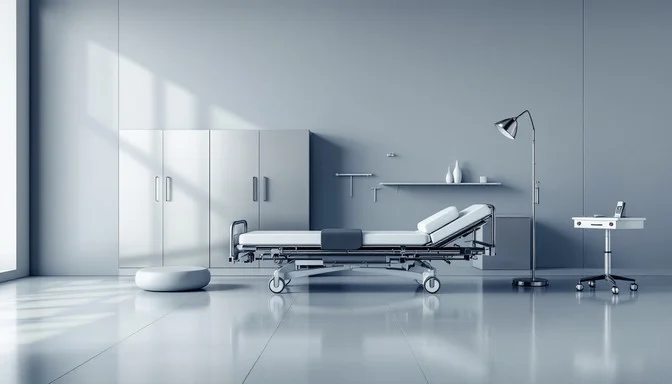
Choosing the right furniture can be tricky in real hospital work. Adjustable medical furniture advantages show only if the pieces fit the patients and staff. I have seen beds bought without checking room size or patient needs. They end up hard to use and slow to care. Always think about the space budget and the type of ward. A bed that works in the ICU may not suit recovery rooms.
Fitting Equipment and Devices
Beds and chairs must fit monitors, IV stands, and other tools. I have moved furniture many times because it blocked the equipment. Make sure everything works together. Staff should reach patients safely. This makes care faster and less risky.
Brand and Custom Options
Different brands offer different parts and sizes. Some allow small changes for specific needs. Multi-functional medical furniture advantages for healthcare can save space and do more work in one room. Test features yourself if possible. Avoid buying blind.
Comfort and Safety
Check how the furniture supports movement and rest. The right fit helps patients recover and keeps staff safe.
Maintenance and Longevity Tips
Proper care keeps hospital furniture safe and long-lasting. Adjustable hospital beds for faster recovery need regular checks. Staff should watch for loose parts and broken controls. Ergonomic hospital beds need smooth motion and steady support.
Check moving parts often
Look for loose screws, joints, and cranks. Fix problems early.
Follow cleaning rules
Use safe cleaners for surfaces. Wipe down after each patient.
Test electrical controls
Press buttons and motors daily. Ensure smooth and quiet operation.
Lubricate and adjust
Oil hinges and joints if needed. Keep motion smooth and safe.
Inspect rails and locks
Side rails and wheels must lock properly. Replace worn parts immediately.
Future Trends in Hospital Furniture
The future of hospital rooms is changing fast. Adjustable medical furniture advantages now include smart sensors that track patient movement. Beds can alert staff if a patient needs help. Automation helps with small adjustments so staff do not strain.
Smart and Connected Beds
New beds link to monitors and telemedicine systems. Staff can check vitals from a screen. Patients get care without constant checks. This improves safety and saves time.
Modular and Custom Designs
Furniture that changes shape fits many needs. Chairs, tables, and beds can move or join together. Hospital furniture improving patient mobility helps patients sit, stand, and move safely. Modular units also save space in tight rooms.
Focus on Comfort
Future designs still focus on comfort. Adjustable positions support rest and recovery. Simple controls let patients choose their own position. This keeps care human and practical.
Conclusion
The Benefits of adjustable hospital furniture reach both patients and staff. Patients get more comfort, move with ease, and recover faster. Staff strain less and can work more safely. Patient comfort furniture makes daily care easier and lowers stress in busy wards. Choosing the right Mndeep Furniture improves safety and keeps work more efficient. Multi-functional medical furniture for healthcare lasts longer and serves many needs.
Our thoughtfully designed furniture keeps staff comfortable and makes patients feel at ease. Pieces that fit the space and work well with medical equipment help daily care run more smoothly. Hospitals that pick quality pieces see better outcomes and easier routines. Future designs will continue to improve comfort and safety. Choosing the right adjustable furniture today helps hospitals meet real patient needs and modern care demands.
FAQs
Adaily tasks easier and gives them more control over their own comfort.djustable beds and chairs let patients move, sit, or stand without much help. This makes
Yes. Furniture that lifts or tilts cuts down on heavy bending and lifting. Staff can move patients safely and avoid sore backs or strained joints.
Definitely, side rails, soft recline options, and simple controls make things easier. Anti-slip surfaces and cushioned support also keep older patients safe and comfy.
Adjustable beds help with breathing and blood flow. They let patients rest in positions that ease pain, reduce stiffness, and prevent pressure points.
Good design keeps patients safe and comfortable. Staff can work without strain. When care feels easy and safe, patients are happier overall.