Your space can look fine yet still feel wrong each day. This often comes from rushed choices and poor balance. The way you choose furniture for your home shapes comfort flow and mood. The right pieces guide movement, support rest, and build calm energy. Poor picks crowd rooms, waste money, and break style fast. Now lets see how simple planning can change this result for good.
Good results begin with slow thought and clear space checks. Measure rooms, watch light paths, and plan daily use first. This guide helps you choose home custom furniture designs with a clear purpose. Smart selection blends comfort, scale, and long-term use. Quality furniture materials support strength and daily ease. With steady steps, you avoid stress, save money, and enjoy a space that feels right.
Why the Right Furniture Choice Can Elevate Your Design?
Emotional Value of Smart Choices
Beautiful homes feel right because furniture matches the space and daily life. Style alone never fixes poor balance. The way you choose furniture shapes comfort, flow, and mood. Pieces that fit scale create calm rooms with easy movement. Strong home design ideas start with purpose, not price. When furniture supports how you live, rooms feel welcoming. Good choices reduce stress and make spaces feel complete every day.
Practical Design Impact
The right furniture improves balance, comfort, and visual flow across rooms. It helps light travel and supports daily use. Clear interior design basics focus on size, shape, and function. This guide helps you choose furniture for your home with steady confidence. Each step removes guesswork and saves money. Smart planning works for large homes and small spaces. The result feels natural, useful, and enjoyable long-term.
1. Understand Your Space Before Choosing Furniture for Home
Before you buy anything, study the room with care. Many homes feel tight or empty due to poor planning. When you choose furniture through core interior fit-out services without space checks, problems appear fast. Good planning supports balance, comfort, and clear flow. This step saves money, time, and stress later. Strong furniture layout ideas begin with space awareness. Room layout planning keeps each area useful and calm.
Measure Room Size and Layout
Always measure room length, width, and height first. Guessing size leads to poor results. Large items can block paths, and small items feel lost. Proper furniture scale and proportion help rooms feel natural. Measuring walls, doors, and windows avoids bad fits. This step supports smart furniture layout ideas. It also helps the room layout planning feel clear.
Plan Furniture Placement First
Plan where items will sit before buying. Walk paths need clear space for daily use. Doors should open without hits. Focal points guide where key pieces belong. This habit improves furniture scale and proportion. It keeps rooms open, calm, and easy to enjoy.
2. Choose Furniture for Your Home That Matches Your Home Style
Identify Your Interior Style
Every home follows a style even if you never named it. Some spaces feel clean and sharp, others feel warm and classic. When you choose furniture through technical and structural services, you must spot this first. Modern home furniture uses clean lines and smooth forms, while softer homes need calm shapes and warm tones. Clear interior furniture ideas help avoid mixed looks. This step keeps rooms clear and well planned, and helps furniture feel natural in daily life.
Maintain Design Consistency
Good rooms feel calm because everything works together. Furniture should match floors, walls, and lights. Mixed looks can cause visual stress over time. Timeless furniture styles help rooms age well. Matching tone and shape builds balance and flow. This makes spaces feel finished and welcoming. When you choose furniture for your home, with care style stays steady. The result feels simple, warm, and easy to enjoy daily.
3. Focus on Comfort Without Sacrificing Design
Great rooms feel good to use every day. Style alone never solves daily discomfort. When you choose furniture for home comfort supports mood, rest, and ease. Design still matters, but comfort keeps rooms useful. This balance helps homes feel welcoming, not stiff. Smart home furniture selection blends beauty with real-life needs.
Why Comfort Matters?
Furniture should look good and support daily living with ease. Hard seats cause strain over time. Poor back support affects rest and posture. Comfortable furniture helps people relax, work, and connect better. Functional home furniture supports long use without stress. Comfort also protects health and daily energy. When pieces feel good, rooms invite longer use. This builds value beyond looks. Comfort keeps design honest and practical.
Key Comfort Factors
Seat depth must fit body size and use. Cushions need firm support without pain. Back height should support posture during rest. Ergonomics guides how furniture meets the body. These factors shape home furniture selection choices. When comfort rules, design still shines. You gain spaces that feel calm, useful, and lasting.
4. Selecting the Right Furniture Scale and Proportion
Size affects how a room feels every day. The wrong scale makes spaces feel tight or empty. When you choose furniture through specialized fit-outs craftsmanship, scale guides comfort and flow. Proper furniture scale and proportion help rooms feel calm and open. This rule supports strong interior design basics. Good balance keeps rooms useful and pleasing. Smart sizing saves money and avoids regret later.
Avoid Oversized Furniture
Large pieces can overpower small rooms fast. Big sofas block paths and steal light. Tall cabinets can shrink the ceiling feel. This breaks furniture scale and proportion. Rooms lose comfort and function. Always check the space before buying large items. Smaller pieces often work better. This keeps interior design basics strong and clear.
Balance Visual Weight
Every room needs visual balance to feel right. Heavy pieces need light accents nearby. Use tables, lamps, or open shelves to soften the weight. This supports furniture scale and proportion. Balanced rooms feel calm and planned. Interior design basics rely on this rule. When weight feels even, rooms look welcoming and easy.
5. Choosing Furniture Materials That Last
Materials decide how long furniture stays useful and looks good. Style fades fast when build quality is poor. When you choose furniture for your home, strong materials protect comfort and value. Good materials handle daily use with less wear. This choice supports smart spending and long-term ease. A clear furniture buying guide always starts with material checks.
Popular Furniture Materials
Wood brings warmth, strength, and long life. Best outdoor wooden structures use solid wood that lasts longer than pressed boards. Metal adds strength and suits clean modern designs, while fabric offers comfort and many texture choices. Mixed builds blend strength with style. Quality materials match room use and life habits. The right pick depends on daily needs, not trends. This keeps spaces steady and easy to enjoy.
Quality Over Quantity
Buying fewer strong pieces works better than many weak ones. Well-built furniture holds shape and comfort longer. It also lifts home value over time. Quality furniture materials reduce repairs and stress. This approach follows a smart furniture buying guide. Strong choices bring peace and lasting value.
6. Color Coordination and Texture Selection
Color and texture shape how a room feels each day. Poor choices can make spaces feel cold or busy. When you choose furniture for the home color sets the mood and balance. Texture adds warmth and depth without clutter. Smart color coordination furniture choices support calm living. This step helps rooms feel planned and easy to enjoy.
Matching Furniture Colors
Neutral bases give rooms a long life and a calm tone. Soft shades work well with many styles. Accent tones add interest without stress. Bold colors work best in small touches. This approach fits most home décor ideas. Matching furniture colors with walls and floors builds flow. Rooms feel open, steady, and welcoming. This keeps the style strong over time.
Using Texture for Depth
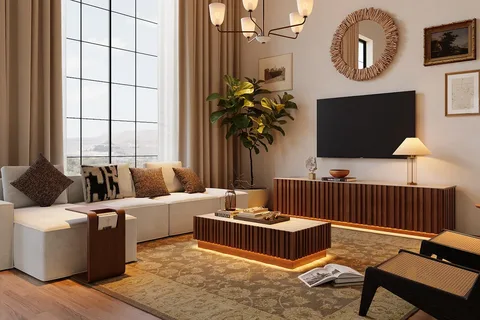
Texture stops rooms from feeling flat and dull. Fabric adds comfort and softness. Wood brings warmth and a natural feel. Metal adds strength and contrast. Professional lighting systems enhance these textures, creating balance and depth. This method supports the color coordination of furniture goals. Home décor ideas work better with a texture mix. The result feels rich, calm, and lived in daily.
7. Choosing Furniture for the Living Room
The living room shapes daily comfort and social time. Poor choices can break flow and reduce use. When you choose furniture for your home, this room needs extra care. Good planning supports easy talk and movement. Smart living room furniture ideas help spaces feel warm and open. Furniture for home design should guide how people gather and relax.
Seating and Layout Basics
Seating should face each other to support easy talk. Sofas, chairs, and tables need clear spacing. Tight layouts stop movement and feel stiff. Open plans support comfort and balance. Living room furniture ideas focus on human use first. This approach makes rooms feel social and calm. Good layouts reduce stress and improve daily use.
Creating a Focal Point
Every living room needs a clear center. A TV unit, coffee table, or bold seat can anchor space. This helps eyes rest and movement flow. Furniture for home design works best with one strong focus. Too many centers cause confusion. A clear focal point brings order, comfort, and calm to the room.
8. Multi-Functional Furniture for Modern Homes
Modern homes need smart use of every room. Space often feels tight during daily life. When you choose furniture through affordable office decoration, function matters as much as style. Pieces that do more reduce clutter and stress. This approach supports modern home furniture needs today. It helps rooms stay open, calm, and useful. Functional home furniture makes daily tasks easier. This choice fits changing family needs well.
Why Functionality Matters?
Furniture should support more than one daily task. Single-use items waste space fast. Functional home furniture saves room and effort. It helps homes adapt to work, rest, and guests. Smart function improves comfort and flow. Modern home furniture works best when it solves problems. This keeps rooms flexible and easy to enjoy.
Smart Furniture Choices
Storage seating keeps rooms clean and open. Extendable tables support guests when needed. Modular layouts change with life’s needs. These ideas support functional home furniture goals. Modern home furniture fits small and large homes alike. When you choose furniture for your home with function first, spaces stay useful and calm long term.
9. Common Furniture Buying Mistakes to Avoid
Many people rush to make purchases and regret them later. When you choose furniture for your home, mistakes cost comfort and money. This section shows common errors that hurt daily use. A clear furniture buying guide helps avoid stress. Good home furniture selection protects space flow and long-term value.
Choosing Style Over Function
Style alone should never guide buying decisions. Looks fade after daily use begins. Comfort and function last longer than trends. A smart furniture buying guide favors use first. Seats should support bodies and tasks. Home furniture selection works best when comfort leads design.
Ignoring Room Flow
Room flow affects movement safety and ease. Poor placement blocks paths and creates stress. Always plan walking space before buying items. This habit improves home furniture selection. A solid furniture buying guide values clear movement. When rooms flow well, comfort and style feel natural.
Conclusion
Choosing furniture shapes how a home feels every single day. Smart planning with Mandeep Furniture creates balance, comfort, and clear movement. Focus on layout, scale, comfort, materials, and style. These steps help rooms feel calm, useful, and inviting. When you choose furniture for your home with care, the results last longer. Good choices reduce stress, save money, and support daily life.
This guide turns confusion into clear, confident decisions. It shows how small details shape comfort and flow. You now have tools to avoid common buying mistakes. Clear steps help you trust choices, enjoy comfort, and keep style steady over time. This approach works for small rooms, large homes, and changing needs. Use this furniture selection guide to design a home that feels right.
FAQs
Start by checking room size and shape. Study light paths and daily movement needs. Match pieces with your interior style and habits. This process helps you choose furniture for your home with confidence. Planning first prevents stress and wasted space. Rooms feel calm and balanced when choices fit real use.
Modern homes work best with clean shapes and calm tones. Simple forms support open rooms and easy movement. Functional designs suit daily life better than trends. This style keeps spaces flexible and fresh longer. It also supports comfort without heavy visual weight.
Furniture scale affects comfort and flow every day. Large items can overwhelm small rooms fast. Small items can feel lost in large spaces. A proper scale keeps the balance and movement clear. Rooms feel open and useful with the right proportions.
Solid wood offers strength and long use. Quality fabric adds comfort and wear support. Metal frames improve stability and structure. Strong materials protect value over time. They also reduce repair needs.
Begin with room measuring and layout planning. Choose a style that fits the space and life. Test comfort through real use. Select quality builds for lasting ease.